Thinking about a SoHo sponsor unit but not sure how it really works? You’re not alone. Sponsor sales can open doors to distinctive lofts and boutique condos, yet the process and paperwork feel different from a typical resale. In this guide, you’ll learn what a sponsor unit is, how these deals differ, what to check before you sign, and how to move from interest to closing with confidence. Let’s dive in.
What a sponsor unit means in SoHo
The NYC definition
A sponsor unit is an apartment sold by the building’s developer or owner, not by an individual resident. You’ll see them in new condo offerings, in buildings that have been converted, and in properties where the owner still holds inventory. The sponsor controls delivery terms and disclosures, which are outlined in formal documents.
Why SoHo has sponsor sales
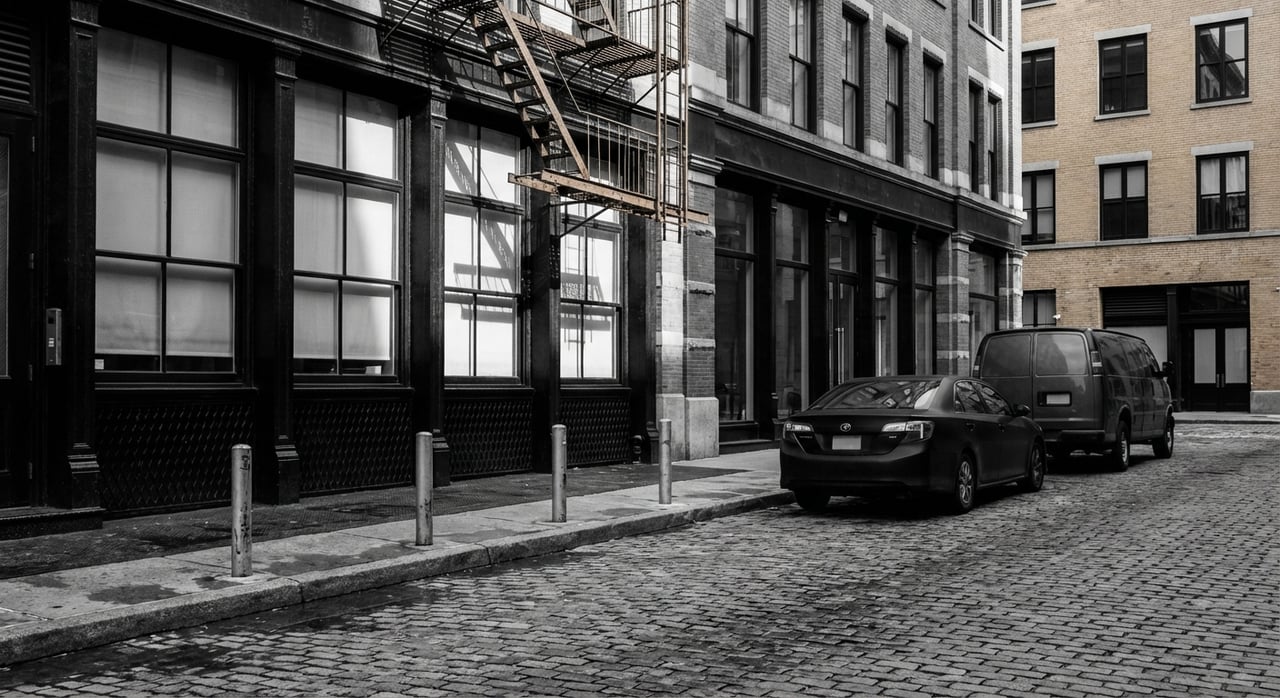
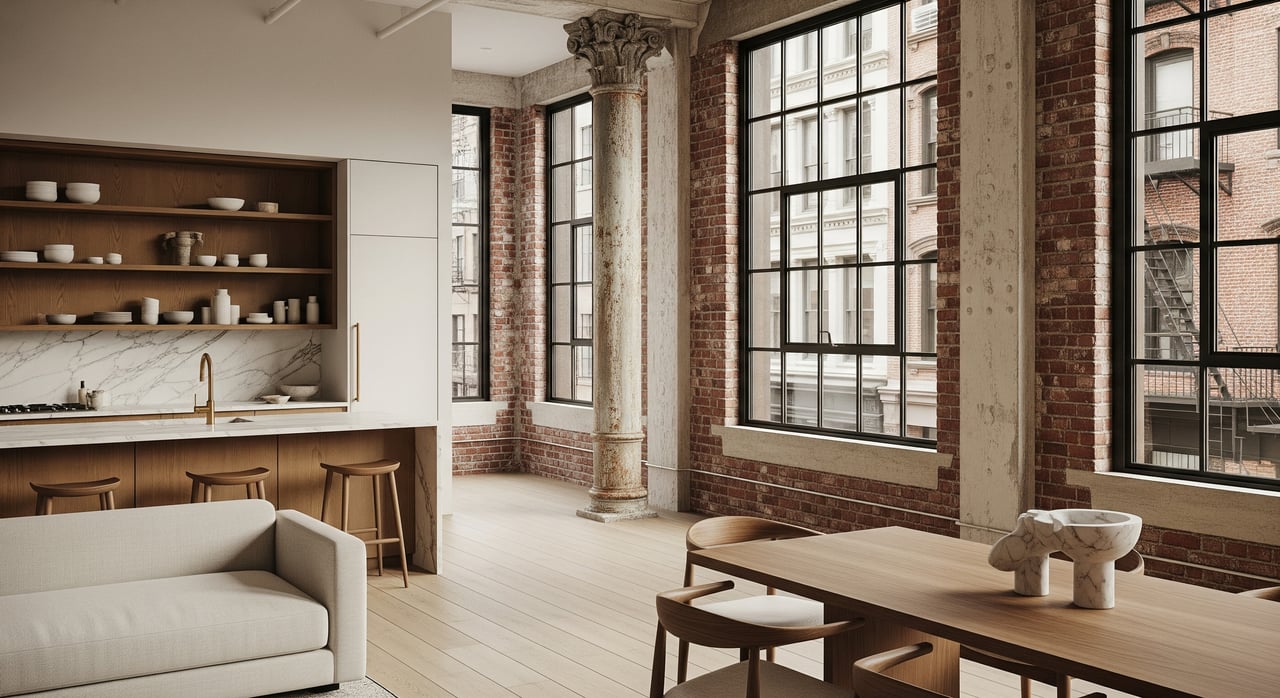
SoHo’s building stock includes many industrial loft conversions and small boutique condo projects. That mix creates sponsor opportunities when developers bring units to market in phases or release remaining inventory. If you want a modernized loft or a distinctive boutique condo, sponsor sales can be a primary path.
Legal and disclosure framework
Expect a formal offering plan or public disclosures that govern the sale. These documents spell out building rules, sponsor rights, delivery conditions, and buyer protections. For properties in the landmarked district, exterior work is regulated by the Landmarks Preservation Commission, and building work must align with Department of Buildings rules and any certificate of occupancy requirements.
Sponsor sale vs. resale: what changes
Approvals and control
In a sponsor sale, the seller is the developer or owner, who may hold special rights set out in the offering plan. Co-ops typically require board approval, and the offering plan will detail the process during sponsor control. Condo sponsor sales generally do not involve a traditional board interview, though purchaser requirements can still appear in the building documents.
Documents and disclosures
Sponsor deals center on the offering plan, condo declaration, bylaws, and schedules that describe finishes and how the unit will be delivered. You may see developer warranties and phasing details. Resales rely on a standard contract plus building financials, meeting minutes, and policies.
Condition and renovations
Sponsor units may be delivered as a finished residence or a base “vanilla box,” depending on the offering. Some sponsors offer finish packages or selection options. If you plan significant renovations, confirm permit history, feasibility, and any restrictions before you sign because SoHo’s landmark and DOB requirements influence timing and cost.
Timing and flexibility
Sponsor closings can be quick when construction and approvals are complete. If a certificate of occupancy or common-area work is still pending, closings may be delayed. Always clarify the estimated closing date and any contingencies that could extend it.
Financing and lender comfort
Lenders can be more cautious with new conversions or buildings with high sponsor ownership. Start conversations early and ask lenders if they have experience financing that building or offering. Pre-approval tailored to the sponsor’s project helps keep your timeline on track.
Pricing, incentives, and negotiation
Sponsors often set pricing based on an offering plan price list. Early buyers sometimes receive incentives such as closing cost help, upgrade credits, or scheduling flexibility. Resale pricing is more purely market driven.
Warranties, protections, and risks
Sponsor plans may include limited construction warranties and buyer protections. Risks include delays in permits, incomplete common areas, or changes to common charges as the building stabilizes. Always review the offering plan to understand the sponsor’s financial obligations and your remedies.
Where sponsor units show up in SoHo
Loft conversions and adaptive reuse
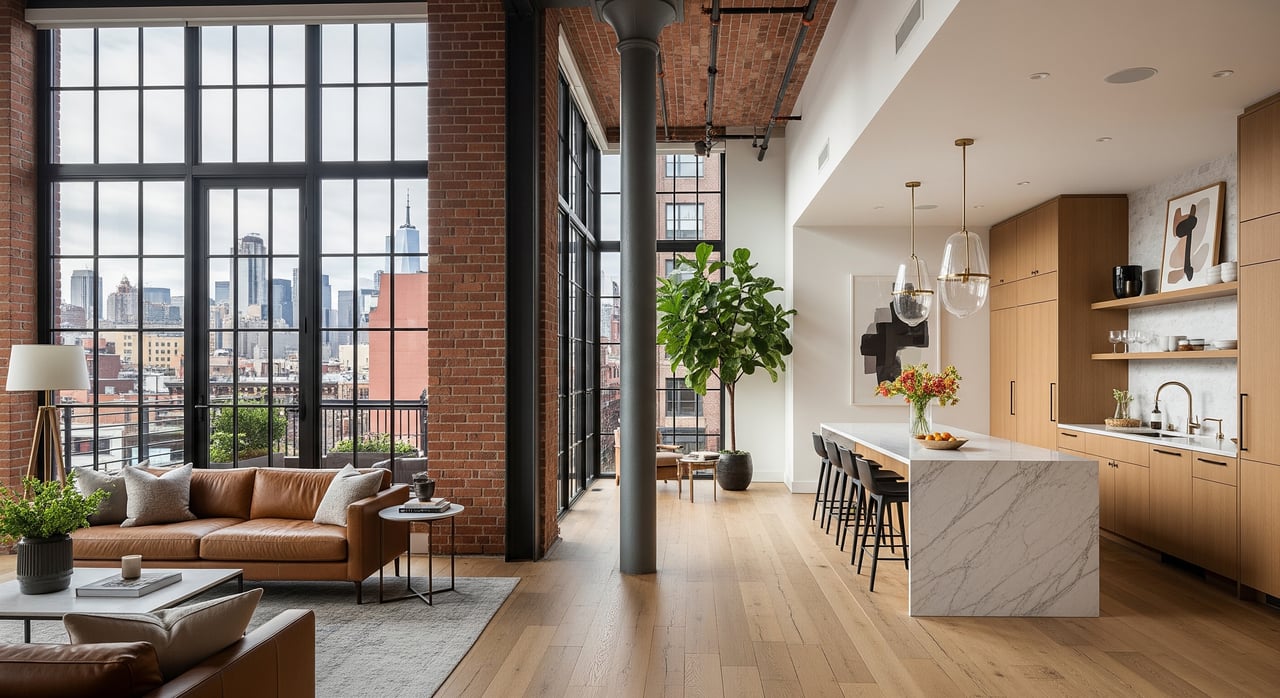
Former manufacturing buildings converted to residences are common and can yield dramatic spaces with high ceilings and flexible layouts. Confirm the certificate of occupancy and permitted uses, especially if you want to reconfigure space.
Boutique condo projects
Smaller buildings with unique homes and limited amenities are often released directly by sponsors. Expect high-end finishes and one-of-a-kind floor plans, with pricing that reflects scarcity.
Mixed-use with retail below
Residential units above retail are common. Review easements and building systems for ventilation, noise, and deliveries so you understand how mixed-use will affect daily life.
Remaining sponsor inventory
Some sponsors hold units for years, then sell them as needs change. These sales are still governed by the original offering documents, which may shape negotiation and delivery.
Step-by-step process
Pre-contract
- Review the offering plan and unit materials. Look for what will be delivered and what remains to be finished.
- Secure a mortgage pre-approval with a lender experienced in sponsor sales.
- Engage a NYC real estate attorney familiar with conversions and offering plans.
Contract and due diligence
- Sign the contract and any riders that reference the offering plan.
- Provide the deposit per the contract.
- Conduct due diligence on the building, reviewing financials, certificates of occupancy, and permit history. Schedule inspections where possible.
Approval and closing
- Follow the offering plan’s purchaser qualification process. Co-ops may still require a board interview.
- Satisfy lender conditions and align on the closing date. Confirm any sponsor punch-list items and how they will be handled at closing.
Post-closing
- If you plan to renovate, coordinate permits and approvals. Expect landmark and DOB timelines to drive scheduling.
- Track warranty periods and escalate punch-list items promptly with the sponsor.
Timeline: what to expect
- Pre-contract to signed contract: a few days to several weeks, depending on your review and negotiations.
- Contract to closing: as short as about 30 days for a ready unit, though 45 to 90 days is common. If construction, certificates, or approvals are pending, plan for additional time. In conversions, DOB and landmarks reviews can extend timelines.
Due diligence checklist
- Offering plan or public offering statement, plus all amendments.
- Condo declaration, bylaws, house rules, and any proprietary lease for co-ops.
- Certificates of occupancy, architect plans, DOB filing history, and any open violations.
- Building budget, reserves, recent minutes, and any pending assessments.
- Sponsor disclosures on warranties, completion schedule, and phasing.
- Unit finish list, measurements, storage, and any ancillary rights.
- Easements, ground leases, or air-rights transfers affecting the property.
- Rental and sublet policies, including short-term restrictions.
- Any landmark decisions or approvals that impact alterations.
- Lender requirements and any lender addendum to the contract.
Questions to ask the sponsor or listing agent
- Will the unit be delivered complete or as a “vanilla box,” and what exactly is included?
- Are there open permits, violations, or change orders that could affect timing?
- What warranties are provided, for how long, and who services claims?
- What sponsor rights remain over unsold units or board control, and for how long?
- What are the rental policies and short-term rules for the building?
- What is the projected timing for any outstanding certificates or sign-offs?
- Are there any incentives or allowances available today?
Professionals to involve early
- NYC real estate attorney experienced in sponsor and conversion deals.
- Mortgage lender or broker with a track record in sponsor buildings.
- Architect or expeditor familiar with SoHo, the DOB, and Landmarks.
- Building engineer or inspector who understands loft structures and MEP systems.
- A local broker who knows SoHo’s micro-markets and sponsor documentation.
Pros and cons in SoHo
Advantages
- Access to new or freshly converted product with modern systems.
- Potential incentives and early selection in boutique offerings.
- Distinctive lofts and one-of-a-kind layouts in a supply-constrained area.
- For investors, potential to lease early if permitted by building rules.
Trade-offs
- Construction or certificate delays that push occupancy.
- Sponsor control provisions that limit buyer influence until turnover.
- Financing friction in new conversions or buildings with high sponsor ownership.
- Variable warranty coverage and enforcement risks.
- Landmark and DOB requirements that add time and cost to renovations.
- Possibility of higher short-term carrying costs if amenities or common areas are still stabilizing.
Investor and flexible-use notes
- Confirm rental policy, minimum hold periods, and any leasing caps.
- Short-term rentals are usually restricted by building rules and city law.
- Verify the certificate of occupancy and permitted uses if you plan live/work or studio space. Changing occupancy class can be complex and costly.
- Understand liquidity. Unique lofts can be less liquid than standard condos, which affects exit timing and valuation.
Bringing it all together
A SoHo sponsor unit can be an incredible find, especially if you want the volume and character of a loft paired with modern systems and finishes. The key is to anchor your decision in the offering plan, confirm financing early, and assemble the right team to navigate permits, certificates, and timelines. With clear expectations and thorough due diligence, you can secure a standout property and a smooth close.
Ready to talk through a specific building or offering plan? Connect with Jessica Markowski to schedule a private consultation.
FAQs
Do SoHo sponsor units require a co-op or condo board interview?
- Co-ops usually require approval, while condo sponsor sales generally do not involve a traditional interview; confirm the process in the offering plan.
How long does a SoHo sponsor deal take to close?
- Plan for 45 to 90 days after contract for a ready unit, with more time if construction, certificates, or approvals are still pending.
Can I customize finishes in a sponsor unit?
- Sometimes yes, especially early in an offering; the options and timing will be outlined in the sponsor’s materials and contract riders.
Are short-term rentals allowed in SoHo sponsor buildings?
- Most buildings restrict rentals under 30 days and have specific leasing policies; always review bylaws and house rules before you buy.
What documents should I review before signing on a sponsor unit?
- The offering plan and amendments, building bylaws, financials, certificate of occupancy, DOB history, warranties, and any pending assessments.
Is financing harder for sponsor units in new conversions?
- It can be, as some lenders are cautious with new or sponsor-controlled buildings; work with a lender that has experience in that specific project.