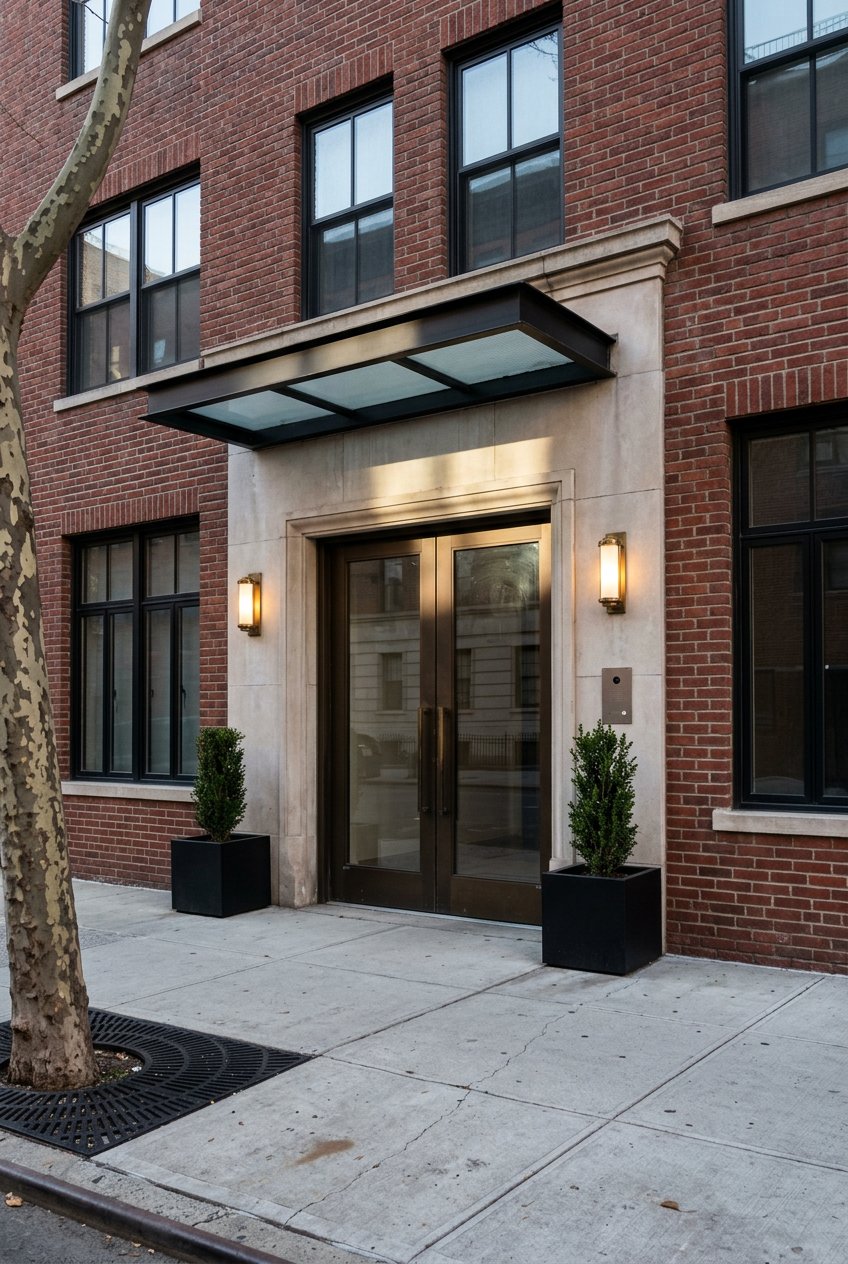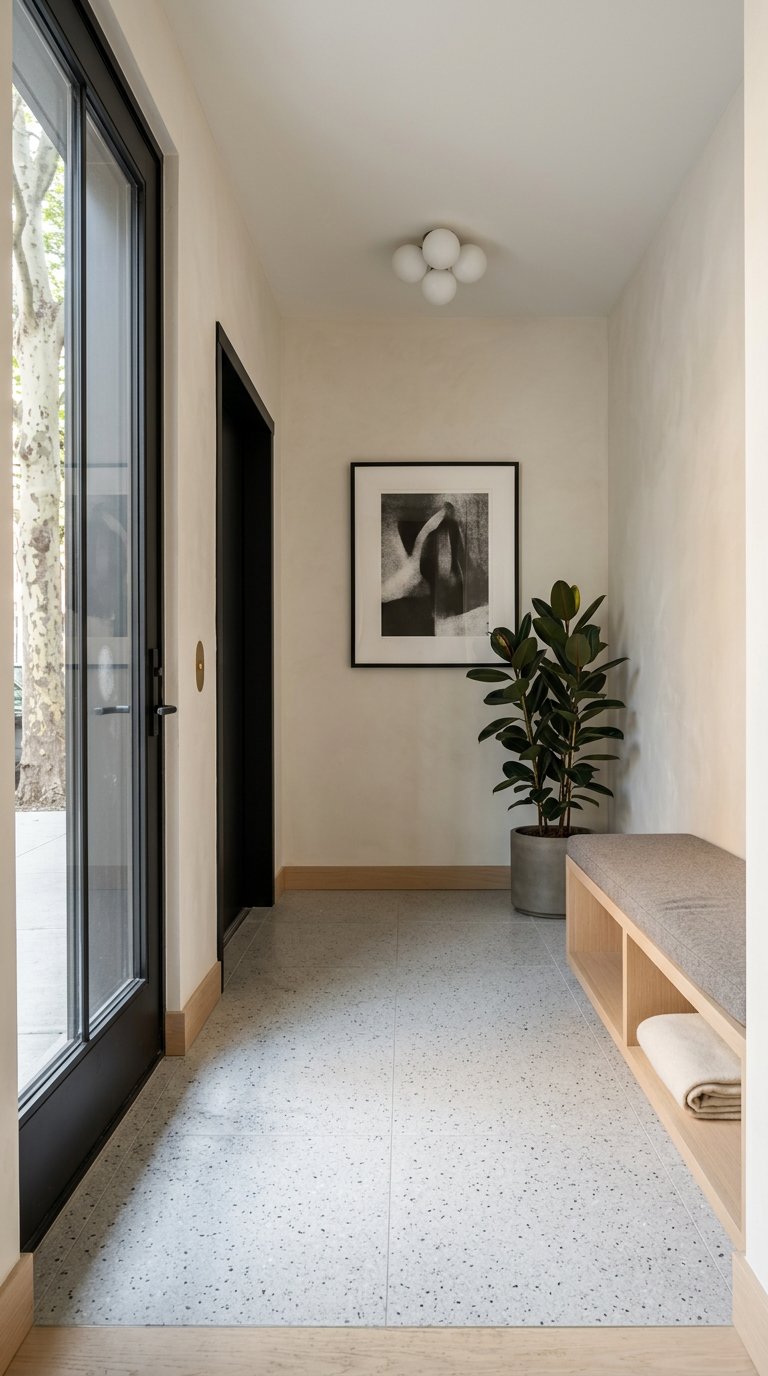
Thinking about selling in Nolita and wondering when to make your move? Timing can shape how many buyers see your home, how quickly offers come in, and the price you achieve. In a neighborhood where design, lifestyle, and visibility matter, choosing the right month and pairing it with the right marketing can pay off. This guide breaks down the best listing windows for Nolita, how buyers shop here, and the steps to build pre-market buzz that leads to stronger results. Let’s dive in.
Best months to list in Nolita
Nolita follows broader Manhattan seasonality with two clear peaks. The strongest buyer activity typically arrives in late April through early June. If your goal is maximum exposure and the best shot at multiple-offer energy, this spring window is your lead option.
The second prime window is mid September through early November. This period can be ideal if you missed spring or want to reach buyers who return to the city after summer. Both seasons align with higher search volume and more showings.
There are also opportunistic windows. Late summer and winter can work when inventory is tight or when you are targeting investor and pied-à-terre buyers who shop year-round. You will want sharp pricing and polished marketing to convert serious off-peak buyers.
Local variables that shift timing
Inventory levels matter in Nolita. When active listings are low, even off-peak months can produce strong results because buyers have fewer choices. A quick local snapshot before you list can validate your timing.
Mortgage rates and macro sentiment influence urgency. Higher rates can slow some segments, while a more positive outlook can expand your buyer pool. Your pricing and timing should reflect what buyers are feeling right now.
Neighborhood energy enhances curb appeal. Outdoor dining, boutique retail, and street life tend to pop in spring and fall. If your unit shines in natural light or has a balcony or stoop, those seasons can add visual impact.
How Nolita buyers shop and tour
You will meet a mix of buyers in Nolita. Many are creative professionals, investors, and downsizers who value design, boutique retail access, and proximity to SoHo and downtown hubs. Families are present but make up a smaller share than in suburban markets.
Expect heavier showing demand on weekends and early evenings. Saturday mid-day and Sunday early afternoon are reliable for open houses, while weekday evenings tend to work for private appointments. Broker opens midweek help expose your home to the agent community.
Virtual and remote showings still matter. A hybrid plan with a 3D tour and short lifestyle video can reach out-of-town and international buyers who are planning a quick in-person trip.
Spring vs. fall: visuals that sell
Spring plays to Nolita’s airy, street-level charm. Longer daylight, greenery, and outdoor dining set the tone for fresh visuals. Use lighter palettes, minimal clutter, and fresh flowers to let windows and natural light lead the story.
Fall invites a warm and intimate mood. Layer textiles, add warm accents, and consider early evening photography that captures interior glow against the crisp city backdrop. Fall streetscapes and boutique scenes add lifestyle texture.
Winter has shorter days and colder streets, but tasteful evening shots can still convey a refined, cozy interior. If you go to market in winter, lean into lighting, detail shots, and targeted outreach to serious buyers.
Price strategy aligned with timing
Price for the market you are in, not just the season. In spring, higher traffic can support aggressive but defensible pricing that encourages competition. In off-peak months, a slightly more conservative list or a value-gap strategy can spark interest and pull in strong early tours.
Focus on search bands where activity is heaviest for your segment. Calibrate list price to capture the widest pool of qualified buyers viewing Nolita comps. If you are selling a co-op, factor in board expectations and maintenance into your price narrative because buyers compare total monthly carrying costs.
A proven NYC tactic is to launch on a Thursday evening or Friday morning. This timing captures weekend search behavior and sets up strong attendance at your first open house.
Pre-market game plan and timeline
The most effective anticipation window is short and intentional. Plan 1 to 3 weeks of pre-market content so you build momentum without losing urgency.
- Teasers and “coming soon” marketing can work, but confirm MLS and fair housing rules and provide equal access to information.
- Create a short lifestyle video, floor plan, and a clean 3D tour. Lead with visuals that highlight architecture, light, and neighborhood moments.
- Host broker previews a few days before the public launch to prime qualified buyers.
Suggested spring launch timeline:
- Weeks −6 to −4: Confirm pricing strategy, prepare condo or co-op documents, schedule staging and photography, and map your digital plan.
- Weeks −3 to −2: Install staging, capture photos and video, finalize floor plans and virtual tour.
- Week −2: Share teasers with the brokerage network and warm prospects. If allowed, post compliant “coming soon” content.
- Launch week: Go live Thursday evening or Friday morning, host a broker open midweek, and a public open house over the weekend.
Co-op timing and approvals
If you are selling a co-op, plan for the board review timeline. Assembling a complete board package can take 2 to 6 weeks, and buyers will factor approval into their closing calendar. Coordinate your listing date with your move-out and any board submission milestones so you avoid avoidable delays.
Practical playbooks by goal
- Maximize exposure and price: List in late April to early June. Pair a strong price with a studio-grade visual package and a tight pre-market plan.
- Missed spring: Aim for mid September to early November. This window captures buyers returning to the city with renewed focus.
- Quick sale with flexibility on price: Consider late summer or winter when inventory is light. Make sure pricing is accurate and your marketing is dialed in.
- Complex co-op timeline: Start paperwork early, then launch into the next seasonal peak so tours and board steps align.
Pre-listing checklist for Nolita sellers
- Pricing and comps: Define target search bands and strategy.
- Staging plan: Align visuals to season and architecture.
- Production assets: Book photography, lifestyle video, floor plan, and a 3D tour.
- Pre-market plan: Teasers, email, broker outreach, and launch timing.
- Documents: Condo or co-op materials, disclosures, and utility history.
- Closing calendar: Sync launch with buyer financing and board timelines.
Ready to pick the right window and make your first week on market count? Schedule a private timing and marketing consult and we will map your ideal launch, production plan, and distribution strategy. To get started, reach out to Jessica Markowski.
FAQs
What is the best month to list a Nolita home?
- Late April through early June is the top window for exposure, with mid September through early November as a strong second option.
How do mortgage rates affect Nolita listing timing?
- Higher rates can temper demand, while improving sentiment can expand your buyer pool, so match pricing and timing to current conditions.
Is winter a bad time to sell in Nolita?
- Not always; traffic is lower, but serious buyers are active and less competition can help well-priced, high-quality listings.
Should I use a “coming soon” campaign in NYC?
- It can build anticipation in a 1 to 3 week window, but confirm MLS and fair housing rules and ensure equal access to information.
When should I schedule open houses and showings in Nolita?
- Target Saturday mid-day and Sunday early afternoon for opens, plus weekday evenings for private tours, and add a midweek broker open.
How long does a co-op sale timeline add?
- Preparing a complete board package can take 2 to 6 weeks, so align your launch and closing plan with that approval window.