Splitting your time between cities and want an elegant New York base that feels effortless? A pied-à-terre on the Upper East Side gives you a quiet, well-located home when you are in town without the upkeep of a full-time residence. If you value classic buildings, full-service living, and proximity to Central Park and world-class museums, this neighborhood fits. In this guide, you will learn what a pied-à-terre is, how co-ops and condos differ, the rules and costs to know, and smart steps to buy with confidence. Let’s dive in.
What a pied-à-terre means on the UES
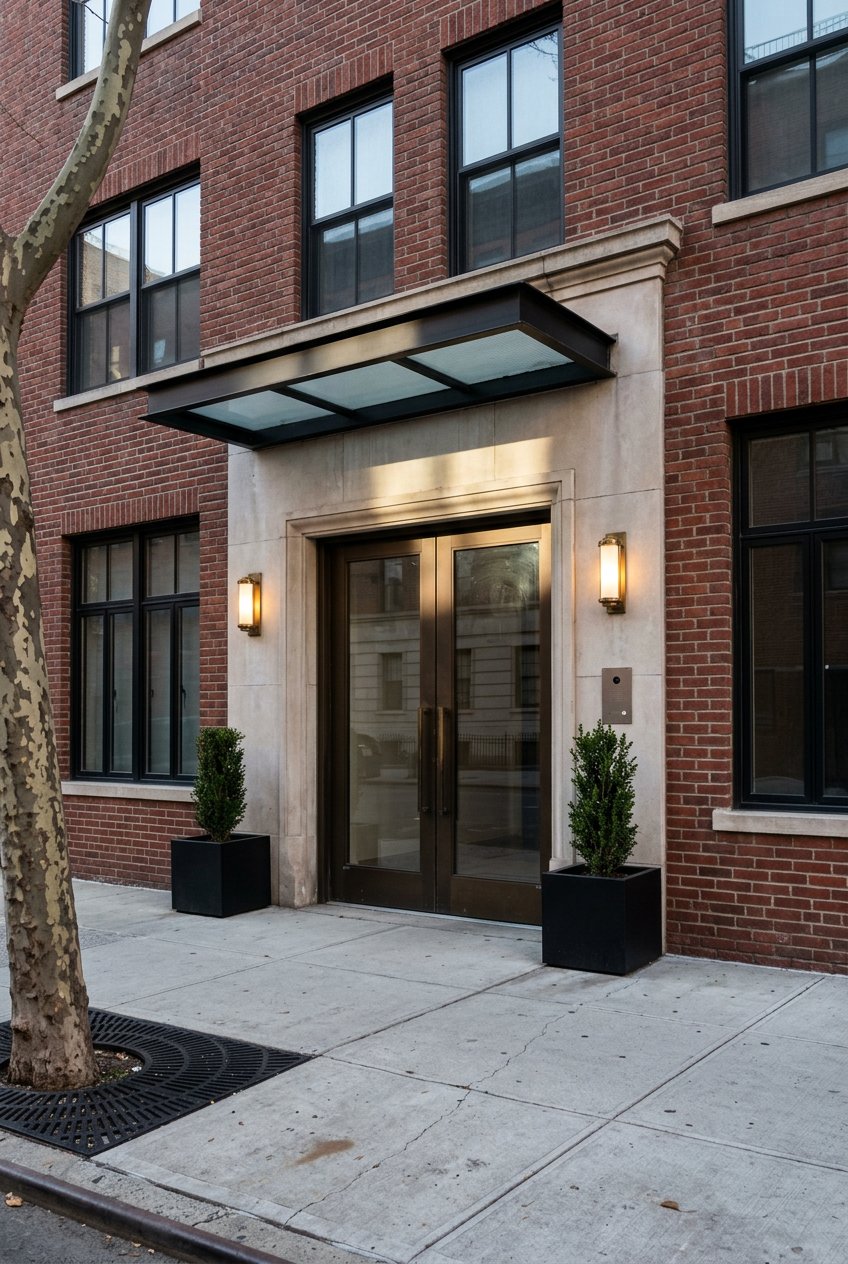
A pied-à-terre is a secondary home used part time, not your primary address. In New York, it often means a studio or one-bedroom in a well-located building that you use for weekends, business trips, or seasonal stays. On the Upper East Side, many buyers choose pre-war co-ops or full-service doorman buildings for their quiet blocks, refined finishes, and easy access to The Met and Central Park. You will also find newer condominium towers that offer modern amenities and flexible ownership policies.
Typical ownership types include co-ops and condos, with co-ops historically dominant on the UES. Condos tend to appear in newer, full-service buildings and appeal to buyers who want more flexibility. Townhouses can be stunning but are less common as pieds-à-terre due to size and cost.
Co-ops vs condos on the UES
How co-ops work
Co-op purchases require board approval. You will submit a detailed board package, then typically attend an interview. Many boards review your finances, employment, references, and how you plan to use the apartment. Policies vary, but co-ops often limit subletting, restrict ownership by LLCs, and prohibit short-term rentals. Some have flip taxes and maintenance that reflect the building’s underlying mortgage and operating expenses.
Boards often expect strong liquidity and conservative debt ratios. Minimum down payments for co-ops can be higher than for condos, and requirements can be stricter for part-time or international buyers. The payoff can be price efficiency and classic architecture, provided you are comfortable with governance.
How condos differ
Condos usually offer more flexibility. There is no traditional board interview, and buildings more often allow ownership via LLCs and longer-term subletting. Carrying costs are split into common charges and property taxes instead of a single maintenance fee. Many international or investor buyers prefer condos because they can be easier to finance, transfer, and rent within building rules.
Which fits your goals
- Choose a condo if you need flexibility, value easier transfers, or plan to hold in an entity.
- Choose a co-op if you want classic UES character, are comfortable with board oversight, and do not need frequent rental options.
- Expect higher monthly charges in full-service buildings that offer amenities and on-site staff.
Rules that affect use
Part-time use and subletting
Many UES buildings are comfortable with part-time owners, but policies vary by address. Co-ops often limit or sequence subletting, such as requiring a minimum ownership period or setting a cap on years rented within a specific window. Always review the house rules and bylaws before you make an offer.
Short-term rentals
Short-term rentals under 30 days are tightly restricted in most multi-unit buildings. Many UES buildings prohibit them outright. If occasional rental income matters, confirm both the building’s rules and current city regulations before you set expectations.
Ownership in an LLC
Co-ops commonly prohibit or limit LLC and corporate ownership. Condos are more permissive, which can help with privacy or estate planning. If entity ownership is important, prioritize condo buildings that explicitly allow it.
Financing and costs
Down payments and approvals
Lenders evaluate both you and the building. Co-ops often expect larger down payments and stronger cash reserves, especially for part-time or non-US buyers. Condos typically allow more standard financing structures and can be easier for international purchasers to finance. If you are a foreign buyer, look for lenders that specialize in non-resident mortgages or plan for an all-cash purchase.
Monthly carrying costs
- Co-ops: monthly maintenance includes building expenses and often the building’s underlying mortgage and property taxes.
- Condos: you pay common charges plus individual property taxes.
- Full-service buildings: more amenities and staffing typically mean higher monthly costs.
Closing costs and transfer taxes
Plan for one-time purchase costs that may include New York State’s mansion tax and New York City and State transfer taxes on higher-priced transactions. Thresholds and rates change, so confirm specifics with your attorney and lender at closing. Ask about building flip taxes that may apply on resale.
International buyer notes
If you are not a US resident, plan for additional documentation and potentially larger down payments. On resale, foreign sellers can be subject to FIRPTA withholding, and owners may need a US taxpayer identification number and annual filings if there is rental income. A US tax advisor can help you structure ownership and plan for eventual sale.
Resale and value
What drives resale
- Building policy: flexible subletting, reasonable transfer rules, and acceptance of entity ownership tend to widen the buyer pool.
- Unit quality: efficient layouts and well-executed interiors sell better than awkward small spaces.
- Location and reputation: prime blocks near Central Park and cultural institutions carry enduring appeal.
- Carrying costs: very high monthly charges or known assessments can deter buyers.
Timeline expectations
Units in buildings known to be pied-à-terre friendly often sell faster. Homes in stricter co-ops, or with limited financing options, can take longer and require sharper pricing. Your exit plan should reflect the building’s rules and buyer pool.
Tips to protect value
- Choose buildings with clear, flexible policies if resale or occasional rental is a possibility.
- Keep renovations consistent with the building’s style and quality level.
- Maintain organized records of occupancy, improvements, and expenses.
Due diligence checklist
Before you make an offer, confirm the details that shape your daily use and long-term value:
- Verify building type and bylaws. Review written policies on subletting, short-term rentals, LLC ownership, and minimum occupancy.
- Request recent board minutes and 12 to 36 months of building financials, including the reserve schedule and underlying mortgage details.
- Understand what monthly charges cover, such as heat, hot water, gas, insurance, and any building debt service.
- Ask about flip taxes and upcoming or potential assessments.
- If it is a co-op, obtain the board package requirements and expected timeline for review and interviews.
- Pre-check financing with lenders that work in NYC co-ops and with non-resident buyers when applicable.
- If occasional renting is part of your plan, confirm building policy and current short-term rental enforcement.
- For international buyers, consult a US tax advisor about FIRPTA, ITIN needs, and ongoing filings.
How to start your search
Begin by clarifying the role this home will play in your life. If you need flexibility and privacy, lean toward condos with clear rental and transfer policies. If you want classic pre-war detail and a tight-knit building culture, explore co-ops near the Park and museums.
Work with a local broker who understands UES building nuances, board expectations, and the financing and tax issues that affect part-time and international buyers. You will benefit from curated options, strong board package guidance, and a smoother path from offer to closing.
Ready to explore pied-à-terre options tailored to your lifestyle and goals? Reach out to Jessica Markowski for a private conversation about timing, buildings, and a search plan that fits how you live.
FAQs
What is a pied-à-terre on the UES?
- It is a secondary residence used part time, often a studio or one-bedroom in a co-op or condo near Central Park and cultural institutions.
Are condos or co-ops better for a pied-à-terre?
- Condos usually offer more flexibility for renting and LLC ownership, while co-ops provide classic buildings and governance that may come with stricter rules.
Can I rent my UES pied-à-terre short term?
- Most multi-unit buildings prohibit rentals under 30 days, and city rules also restrict short-term rentals, so confirm building policies and current regulations.
What ongoing costs should I expect?
- Expect monthly maintenance in co-ops or common charges plus property taxes in condos, plus utilities, insurance, and possible assessments.
Do international buyers face special rules or taxes?
- Foreign owners may need specific financing, US tax identification, and should plan for FIRPTA withholding on sale and any required tax filings.