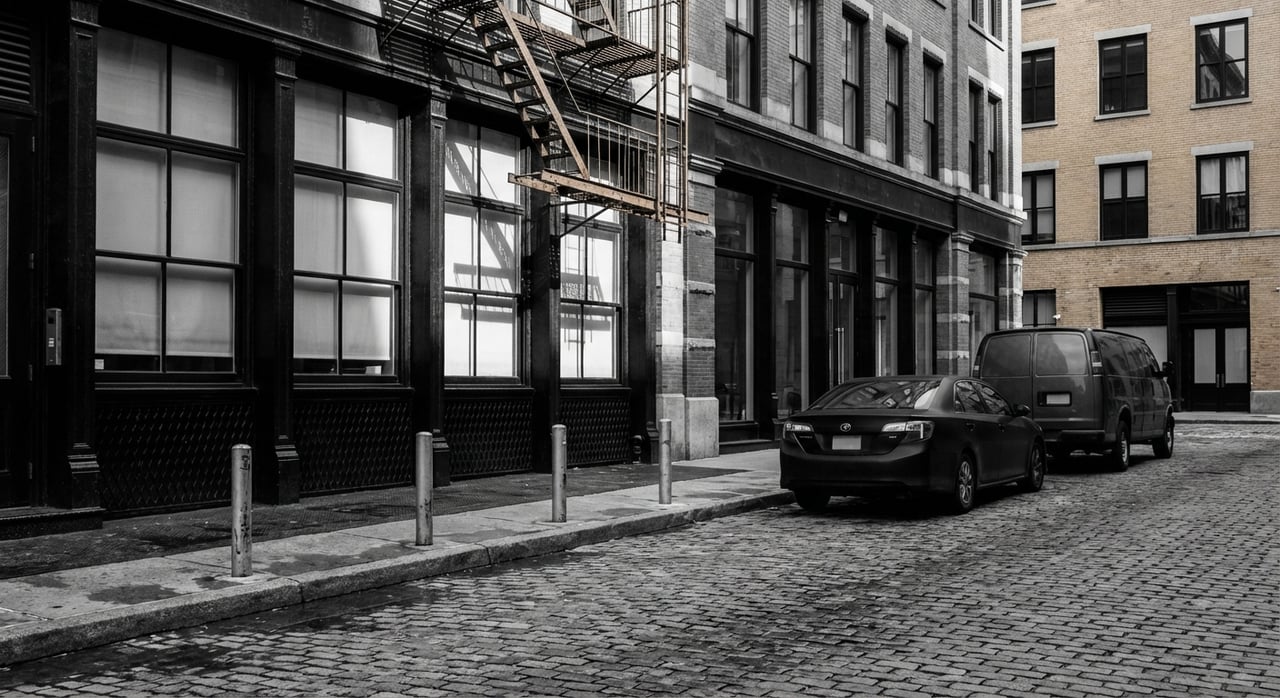
If cast iron, cobblestones, and sun-filled lofts speak to you, SoHo belongs on your short list. You get design history at your doorstep and a lively street scene that shifts with the hour. In this guide, you’ll learn how the neighborhood feels day to day, what homes look like, how transit works, and which rules matter before you buy. Let’s dive in.
SoHo at a glance
SoHo sits in Lower Manhattan, south of Houston Street and north of Canal Street, with the historic core between West Broadway and roughly Crosby, Lafayette, or Centre Streets. The area is known for 19th-century store-and-loft buildings, big factory-style windows, and Belgian-block side streets. For a primer on the neighborhood’s evolution and boundaries, start with an overview of SoHo’s history and layout.
Cast iron and preservation
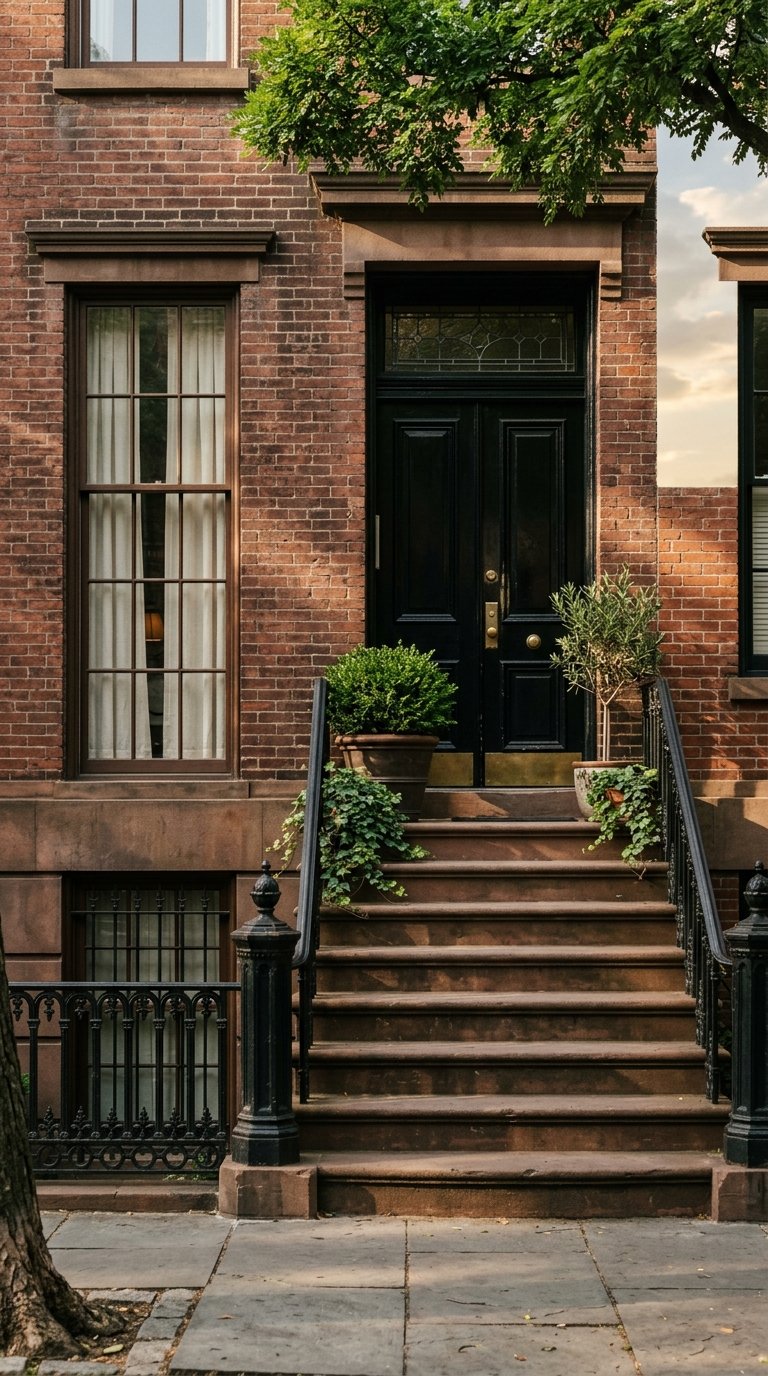
The SoHo–Cast Iron Historic District was designated in 1973 and extended in 2010 to protect the neighborhood’s extraordinary collection of cast-iron facades and classical details. That landmark status helps keep the streetscape cohesive and architectural. It also means visible exterior changes and many rooftop additions require review by the NYC Landmarks Preservation Commission. You can explore the district’s scope and purpose in the official historic district record.
Homes and interiors you’ll find
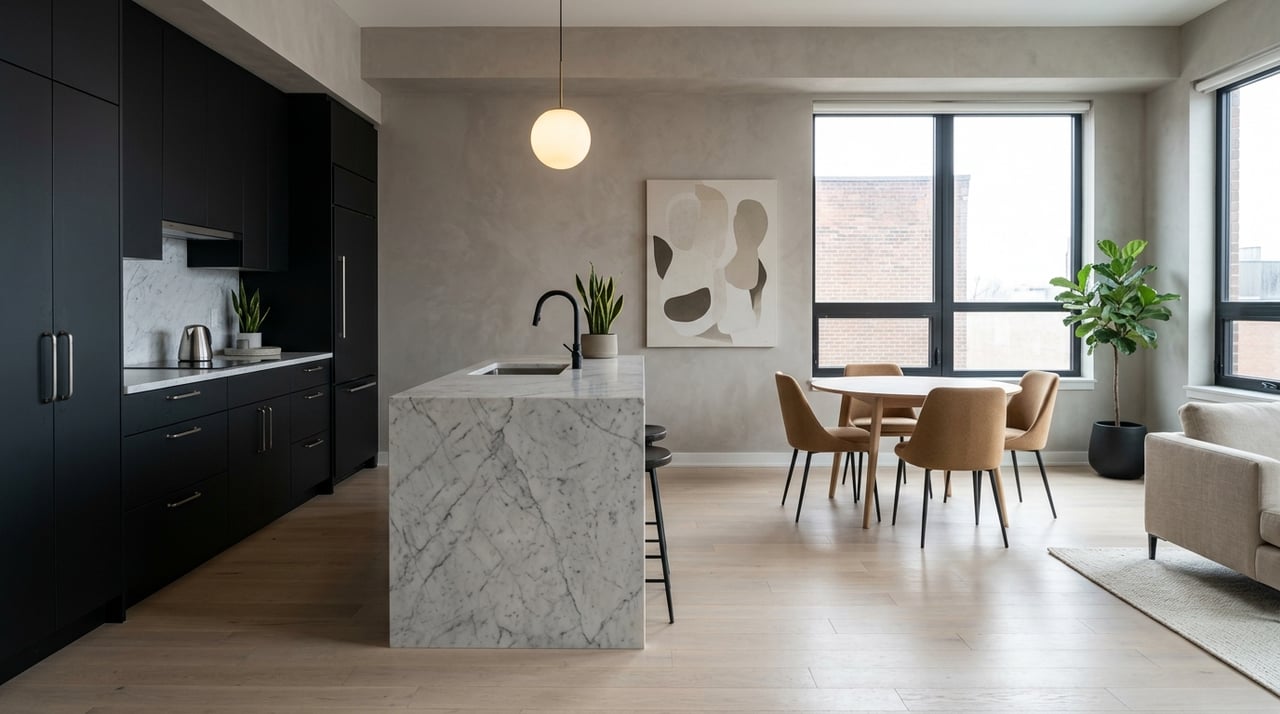
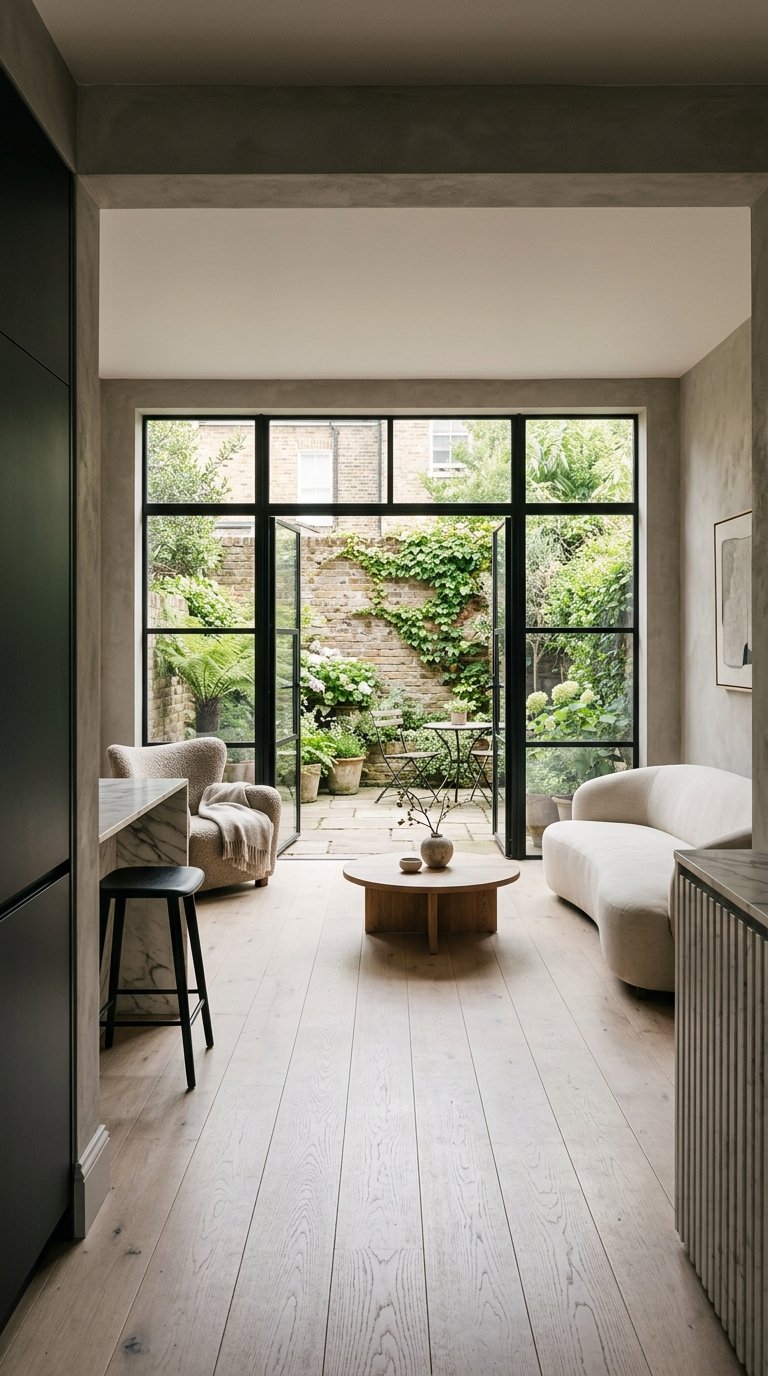
You’ll see full-floor or large lofts with soaring ceilings, exposed brick or timber, and oversized windows. Boutique condos often offer keyed elevators, part-time or full-time doorman service, and one-of-a-kind layouts. Co-ops and condo conversions exist in smaller, landmarked buildings with limited unit counts, which amplifies the sense of privacy. For a high-level snapshot of local housing types, review this SoHo neighborhood overview.
Prices and market context
SoHo ranks among Manhattan’s priciest markets. Recent summaries place median asking sale prices in the low-to-mid 4 million dollar range, with some years leading the city. Median asking rents often land in the mid 5 to 6 thousand dollar range. You can see the broader city context in StreetEasy’s year-in-review analysis. Pricing and supply shift quickly, so confirm current comps before you make a move.
Daily life and rhythm
SoHo changes with the clock. Early mornings feel residential and calm, especially on interior side streets, with beautiful light in north-facing lofts. Midday brings retail energy and deliveries. Evenings fill popular restaurants and bars, and weekends draw the heaviest crowds in the retail core.
Retail and dining corridors
Broadway, Prince, and Spring Street draw high-visibility flagship stores and busy sidewalks, while Mercer, Wooster, Greene, and Crosby tilt boutique, gallery, and design-forward. The restaurant scene is deep and constantly refreshed. For ideas and up-to-date highlights, check curated lists like this SoHo restaurant map.
Noise and crowd patterns
Expect peak foot traffic midday through early evening near the retail corridors, with weekends at their busiest. Canal Street and blocks near the Holland Tunnel see heavier vehicle and truck noise. Local groups often flag practical issues like delivery hours and amplified outdoor music. For on-the-ground context, resident bulletins from the SoHo Alliance are informative.
When SoHo feels quiet
If you want more serenity, look at interior side streets, courtyard-facing units, and higher floors. Weekday mornings and late evenings outside nightlife clusters are the most peaceful windows. Your agent can help evaluate a building’s orientation, window quality, and block-level patterns before you fall in love with a space.
Getting around
SoHo is very well connected without a single central hub. Your exact location determines the fastest station or line.
Subway coverage
The Prince Street station serves the R most of the time and W on weekdays, with additional nearby access from Spring and Canal Street complexes to lines like A, C, E and 6, plus N, Q, R, W on different corners. The Canal Street network is multi-level, so you enter on the right corner for your line. See the Prince Street station overview for context, then check the MTA for live service.
PATH and New Jersey access
If you commute across the Hudson, the World Trade Center and Christopher Street PATH stations are a reasonable walk from many addresses, and driving access to the Holland Tunnel is close. The tunnel’s proximity adds utility and can increase traffic on Canal and nearby blocks. Learn more about the network in this PATH system primer.
Walkability and parking
Daily errands are easy on foot, which is part of SoHo’s appeal. Private parking is scarce and costly, and many residents skip car ownership. If parking matters to you, confirm on-site garage access or nearby options before you bid.
Regulations that shape buying
Understanding building rules and local policy will save you time and surprises.
Co-op vs condo dynamics
SoHo includes both. Co-ops can require board interviews and have specific financial and leasing rules. Condos are usually more flexible, often preferred by buyers who want easier approvals or future leasing options. For a primer on ownership types in the area, see this SoHo overview.
JLWQA lofts and rezoning
Many classic lofts were designated Joint Living-Work Quarters for Artists under the Loft Law framework. The 2019–2021 Envision SoHo/NoHo plan created a pathway for some units to convert to unrestricted residential use with a fee that supports an arts fund. The policy drew litigation, and in January 2026 the New York Court of Appeals upheld the City on key constitutional questions. For background on the plan and the court’s decision, review this SoHo/NoHo policy explainer. Always verify a specific unit’s legal status and any required steps before proceeding.
How to choose your block and your unit
- Decide your energy level. Broadway and the northern retail corridors are vibrant and convenient; interior blocks often feel calmer.
- Study orientation and fenestration. Courtyard or rear exposures can be quieter. Large factory windows deliver amazing light, so assess glare, solar gain, and shade needs.
- Evaluate sound and privacy. Look for double or triple glazing, robust window seals, and thoughtful bedroom placement away from street-facing walls.
- Confirm building rules. Understand co-op versus condo requirements, pet policies, and any JLWQA or conversion questions.
- Factor in access. Map your closest stations and estimate your walk to PATH if you cross the Hudson.
Quick buyer checklist
- Identify building type: loft, condo, or co-op.
- Verify legal occupancy and status, including any JLWQA considerations.
- Measure ceiling height, window size, and column placement.
- Ask about HVAC, electrical, and recent capital work.
- Review common charges and how costs are allocated for large-footprint units.
- Confirm landmark implications for any visible exterior or rooftop changes through the historic district record.
- Scout daytime and evening noise on the block.
- Map subway and PATH options from the front door, using the Prince Street station overview and the PATH primer.
Make your move with confidence
The right SoHo home blends volume, light, and history with a location that matches your lifestyle. If you want help narrowing options, confirming legal status, or stress-testing value against current comps, connect with a local expert who knows loft buildings and boutique condos block by block. To start a curated search or discuss your property strategy, reach out to Jessica Markowski.
FAQs
Is SoHo quiet at night for residents?
- It depends on the block and exposure; interior side streets and higher floors are usually quieter, while retail corridors and hospitality hotspots can be lively later.
Are there still artist studios and galleries in SoHo?
- Yes, some remain, but much of the gallery scene shifted to other neighborhoods; today SoHo mixes boutiques, hospitality, and creative uses alongside residential lofts.
What should I verify before buying a classic SoHo loft?
- Confirm legal occupancy and any JLWQA status, ceiling height and window size, modernization of HVAC and utilities, and how common charges allocate costs for large units.
Which subway lines serve SoHo and how close are they?
- Multiple stations ring the neighborhood; Prince Street serves R and W on weekdays, and nearby Spring and Canal Street complexes connect to A, C, E, 6, N, Q, R, W depending on entrance.
How do landmark rules affect renovations in SoHo?
- Visible facade work, storefront changes, and many rooftop additions require Landmarks review, which preserves character and can lengthen approval timelines.
How busy are weekends in SoHo’s retail core?
- Weekend afternoons bring the highest foot traffic around Broadway, Prince, and Spring; plan errands or showings early or on weekdays if you want a calmer experience.