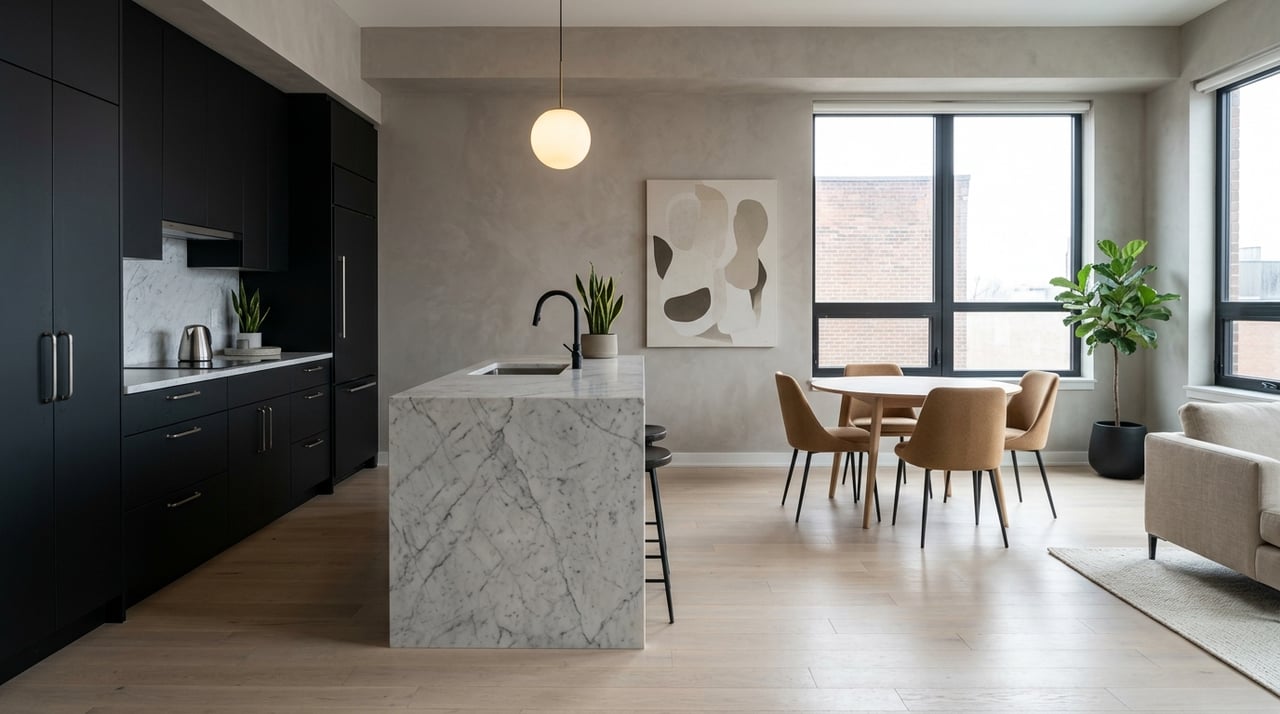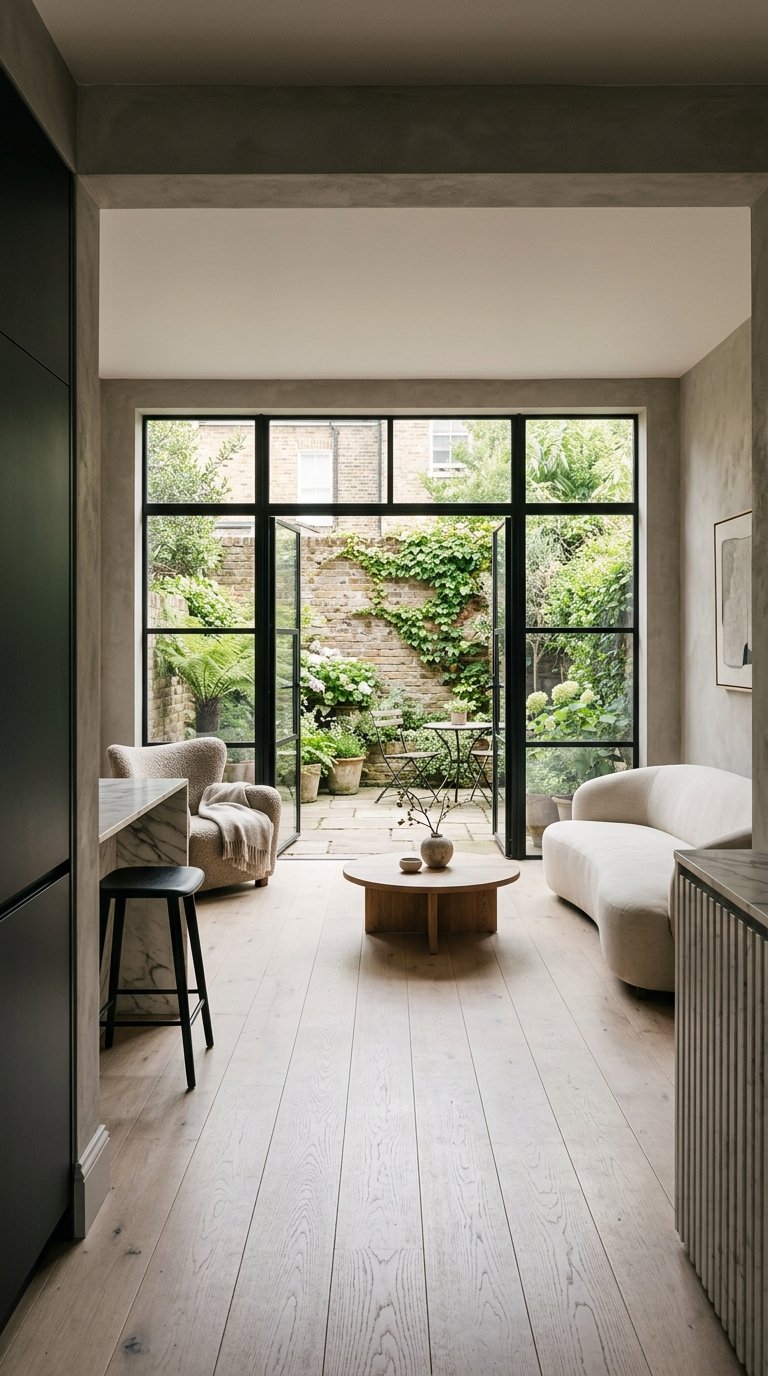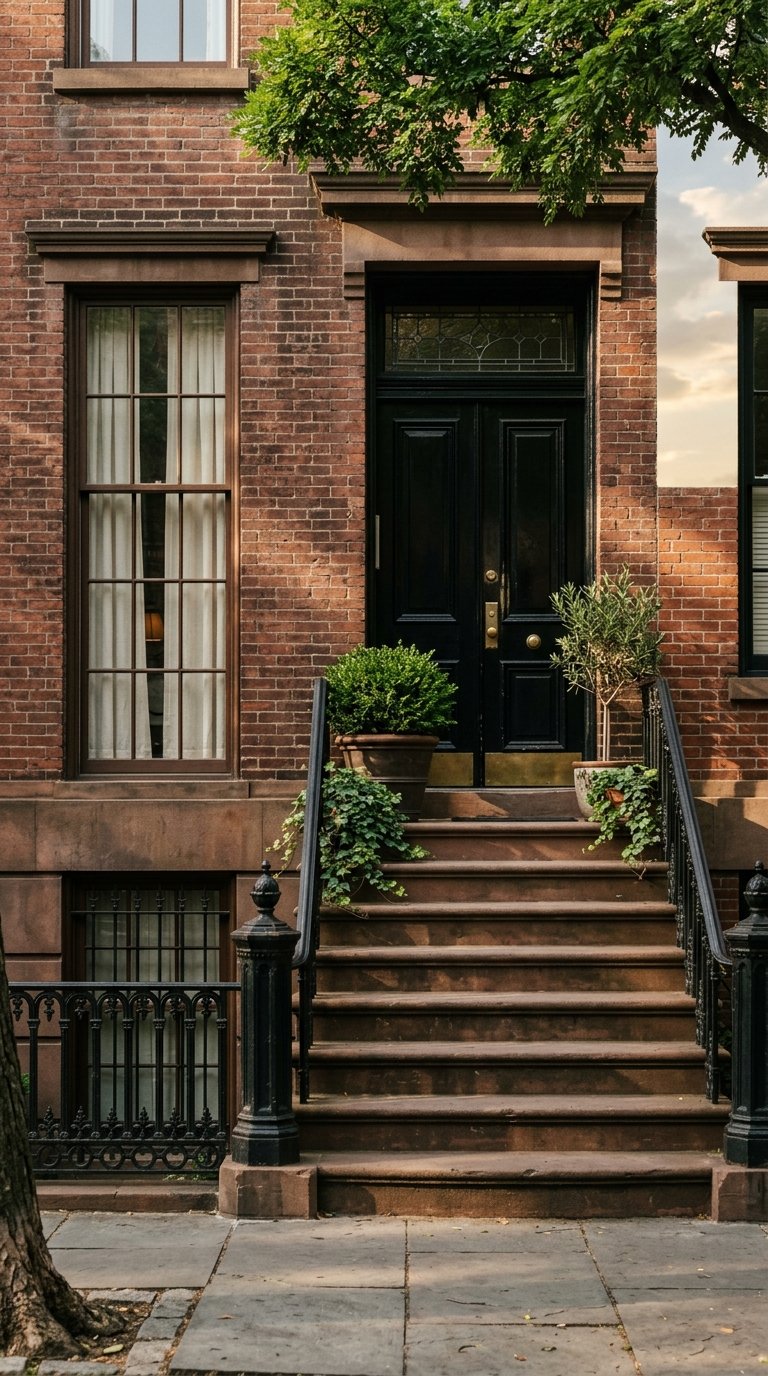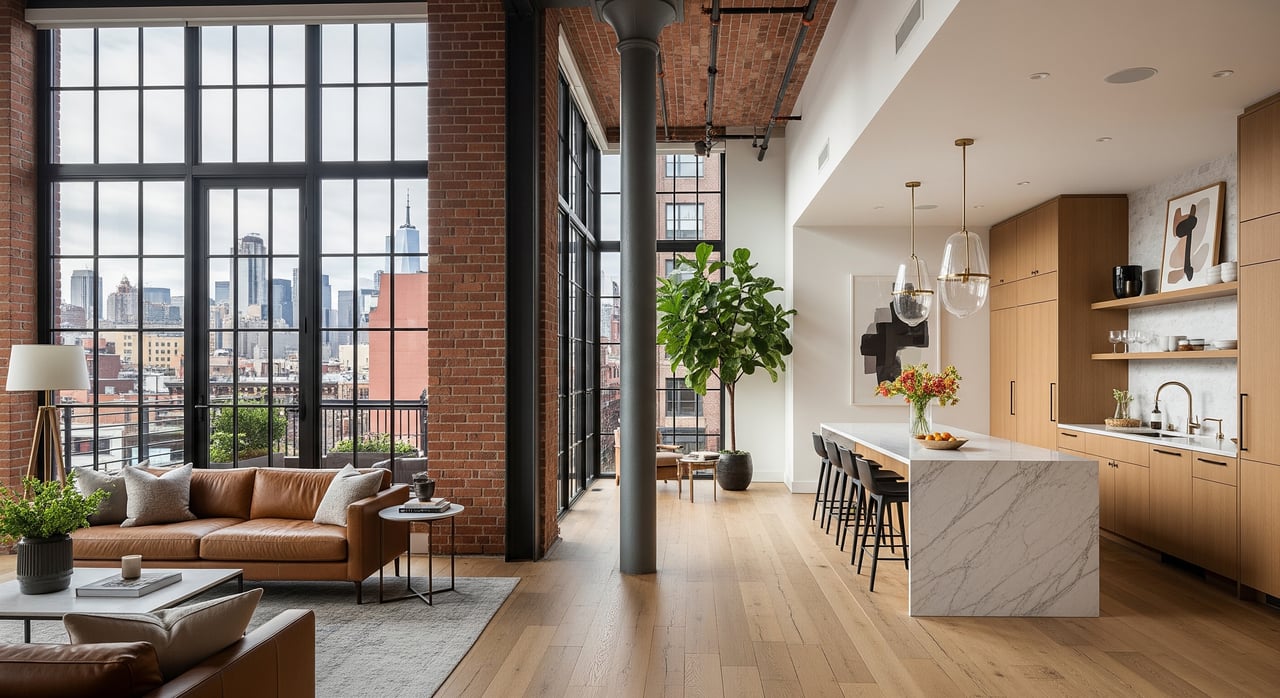
Falling for Tribeca’s soaring ceilings, brick walls, and sunlight pouring through factory windows is easy. Deciding if a loft truly fits your daily life is the real work. If you love design, flexibility, and downtown energy, a Tribeca loft can be a dream. In this guide, you’ll learn what makes Tribeca lofts special, the trade-offs to expect, the legal and financing checks to complete, and how to decide if the lifestyle aligns with your needs. Let’s dive in.
What makes a Tribeca loft unique
Tribeca is defined by its industrial-to-residential conversions. You see oversized windows, exposed brick and beams, and wide-plank floors set against open, gallery-like rooms. Many buildings sit on cobblestone blocks near the Hudson River promenades, with high-end dining and retail close by.
Inventory skews higher in price than much of Manhattan. True lofts attract a design-minded buyer pool that values volume and character over conventional layouts. That niche appeal can influence resale timing, so you want to buy with both lifestyle and exit strategy in mind.
Transit access is strong overall, with multiple subway lines and nearby ferries and PATH. But proximity varies block by block. When you shortlist a place, check actual walking times and consider street layout, noise, and traffic patterns around the building.
Loft types and ownership in Tribeca
Legal and certified lofts
Some buildings are formal industrial-to-residential conversions that meet city requirements and hold a residential Certificate of Occupancy. These are considered legal for long-term residential use. Always verify the building’s status before you get attached to a space.
Condo conversions and new-build loft-style
Many classic warehouses were converted into condominiums, offering full ownership rights and, in some cases, modern amenities added during conversion. Newer developments mimic loft elements while delivering contemporary systems, doorman service, gyms, and roof decks. Expect higher purchase prices and common charges for fuller amenity sets.
Co-ops and other structures
Co-ops do exist in Tribeca’s loft mix. You may face board approval, more detailed financial requirements, and rules around renovations and subletting. Less common ownership structures, like LLC-held units or tenancy-in-common, can complicate financing and resale. Clarify structure early to avoid surprises.
Day-to-day living trade-offs
Layout and privacy
Lofts favor openness. Living, dining, and kitchen zones often blend into one expansive space. Some bedrooms may be open or use partial-height partitions. If you need fully enclosed rooms for children, roommates, or dedicated home offices, focus on listings with legal, enclosed bedrooms or a clear path to create them with permits.
Light and window orientation
Large factory windows are a hallmark, but sunlight depends on orientation and neighboring buildings. South and west exposures can feel bright; deep floorplates or tall adjacent buildings can limit direct sun. Confirm actual light at different times of day and review window condition for thermal performance in winter and summer.
Noise and sound management
You may hear street traffic, loading activity, or restaurant scenes typical of downtown blocks. In open-plan spaces, sound can travel more easily. Look for features like double-pane windows, area rugs, added insulation, and well-detailed floor and ceiling assemblies. Ask about building soundproofing standards and any recent upgrades.
HVAC, plumbing, and ventilation
Older conversions may rely on radiators and window AC units. Newer loft-style condos often have central HVAC with zone controls. In open kitchens, range-hood performance matters because cooking smells travel. Confirm ventilation, sprinkler and fire alarm systems, and egress paths for safety.
Amenities and carrying costs
Authentic conversions often deliver larger private square footage and character but fewer amenities. Newer condos may offer doorman, fitness, roof terraces, bike rooms, and rare parking. Match the building’s service level to your lifestyle and budget, and weigh common charges against what you actually use.
Legal and financing essentials
Verify Certificate of Occupancy and Loft Law
Start by confirming legal residential use. Ask for the building’s Certificate of Occupancy and whether the unit fell under the city’s loft conversion program. Nonconforming use can complicate mortgages, title insurance, and your timeline.
Permits and past renovations
Request Department of Buildings permit history, especially if you see mezzanines, enclosed bedrooms added to an open plan, or structural changes. Mezzanines must meet requirements for load, headroom, and egress. Ensure any past work was permitted and signed off.
Financing and insurance considerations
Lenders want clear legal status and ownership structure. Condo loans typically offer more flexibility than co-ops. Insurance carriers may ask about sprinklers, alarms, and historic features that affect replacement costs. Confirm these early to avoid delays during underwriting.
Board rules and building documents
Read condominium bylaws or a co-op’s proprietary lease for renovation rules, pet policies, subletting, and the ability to add walls for bedrooms or offices. If your plan includes enclosing spaces, make sure the documents and building team allow it before you commit.
Is it right for your lifestyle?
You will likely love it if
- You prioritize volume, design, and character over traditional room counts.
- You entertain, display art, or need a flexible live-work footprint.
- You value downtown access to restaurants, culture, and waterfront walks.
- You are comfortable with higher price points and the due diligence that comes with unique properties.
You may want to reconsider if
- You need immediate, fully enclosed bedrooms and separate offices with no renovations.
- You prefer standardized amenities at lower common charges.
- You want the broadest resale audience and fastest liquidity.
Smart compromise options
- Choose a new-build loft-style condo to get high ceilings and modern systems with a full-service profile.
- Look for smaller or well-partitioned lofts that already have enclosed bedrooms and effective sound separation.
- Target buildings that blend authentic character with essentials like doorman, upgraded windows, and reliable HVAC.
Pre-offer buyer checklist
- Confirm legal residential status and request the Certificate of Occupancy.
- Review offering plan, proprietary lease, and condo bylaws for renovation, sublet, and usage rules.
- Pull Department of Buildings permit history and any Loft Board notices if applicable.
- Ask about recent or upcoming capital assessments, reserve funds, and major projects like roof, facade, or window work.
- Inspect windows, heating and HVAC systems, sprinkler and fire alarm presence, and water pressure.
- Request 12 months of common charges or maintenance and the unit’s utility cost history.
- For mezzanines or partial floors, verify permits, ceiling heights, and safe egress.
- Evaluate sound insulation and nearby uses like restaurants, loading docks, or nightlife.
- Confirm bicycle storage and any garage or parking options if relevant.
Who you need on your team
- A general home inspector with NYC loft experience.
- A structural engineer for mezzanines, beams, or load-bearing questions.
- An MEP specialist to evaluate HVAC zones, electrical capacity, and plumbing stacks.
- An architect or permit expeditor to review permits, C of O, and any loft program records.
- A real estate attorney versed in NYC co-op and condo contracts and title issues.
Resale and long-term value
Lofts with timeless proportions and strong building reputations can command premium pricing. Highly customized layouts can narrow your buyer pool. If you plan improvements, focus on upgrades that balance design with marketability: legally enclosed bedrooms, well-integrated home office space, double-glazed windows, modern HVAC, and built-in storage that respects the architecture.
Liquidity varies across the loft segment. Enter with a clear view of comparable sales for similar formats in the same building or micro-area. A thoughtful plan can help you enjoy the lifestyle now and preserve options later.
Choosing a Tribeca loft is about matching the romance of open space with clear-eyed due diligence. If you want expert guidance on vetting legal status, amenities, and long-term value, connect with Jessica Markowski to schedule a private consultation.
FAQs
What defines a true Tribeca loft?
- A true loft is typically an industrial or commercial space converted for residential use, with high ceilings, oversized windows, exposed structural elements, and open-plan layouts common to Tribeca.
How do I confirm a Tribeca loft is legal for residential use?
- Ask for the building’s Certificate of Occupancy and review any loft conversion program records, then have your attorney and an architect or expeditor verify the documentation.
What should I know about mezzanines in Tribeca lofts?
- Mezzanines need proper permits, structural capacity, safe headroom, and egress; ensure they are reflected in building records before you rely on them for sleeping or office use.
Are Tribeca lofts noisy compared to standard condos?
- Noise varies by block and building; large windows and open plans can transmit sound, so look for double-pane windows, insulation, and solid floor-ceiling assemblies.
Do newer loft-style condos reduce maintenance headaches?
- Often yes, because they offer modern systems, central HVAC, and amenities, but they typically carry higher common charges than minimal-amenity conversions.
Can I finance a co-op loft as easily as a condo in Tribeca?
- Co-ops often have stricter approval and financing requirements than condos, so plan for additional documentation and potentially different loan terms.