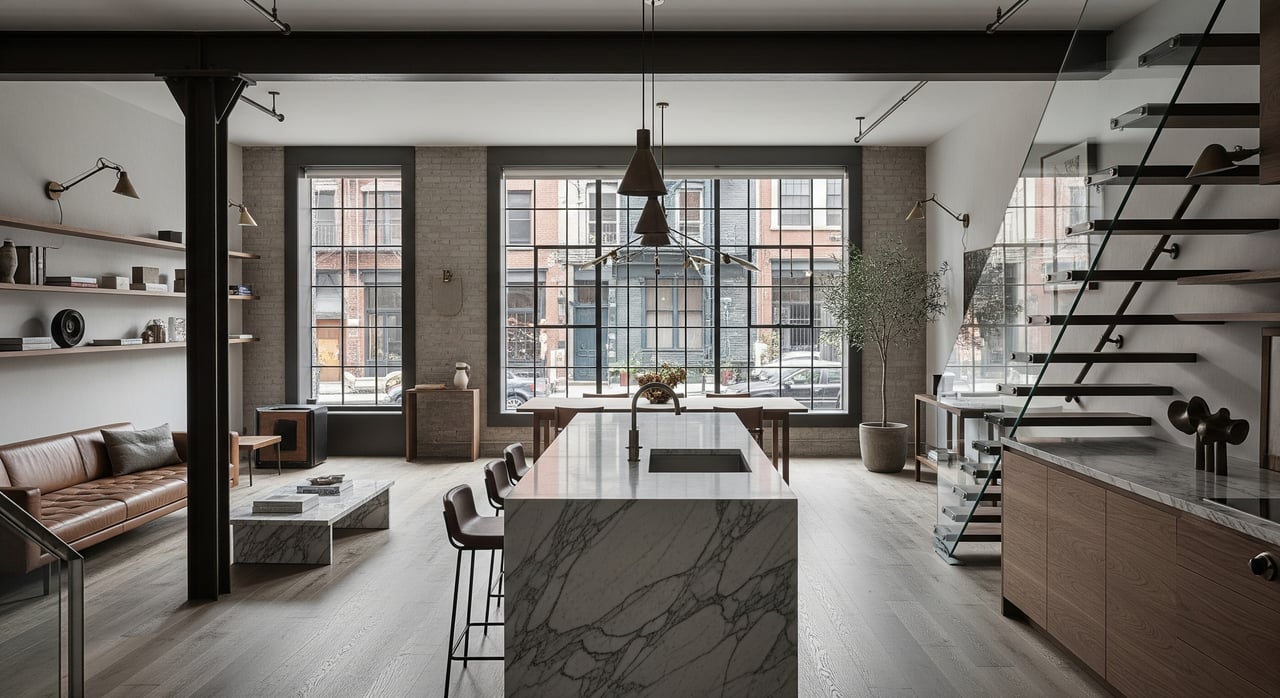
Are you debating how high to price your SoHo loft without scaring off the right buyer? You are not alone. In a neighborhood where provenance, cast‑iron architecture, and light drive emotion, the right number and the right presentation can be the difference between a quick, premium sale and months of silence. In this guide, you will learn how design features translate into value, how to set a price that invites demand, and how studio‑grade marketing creates urgency. Let’s dive in.
Why SoHo commands premiums
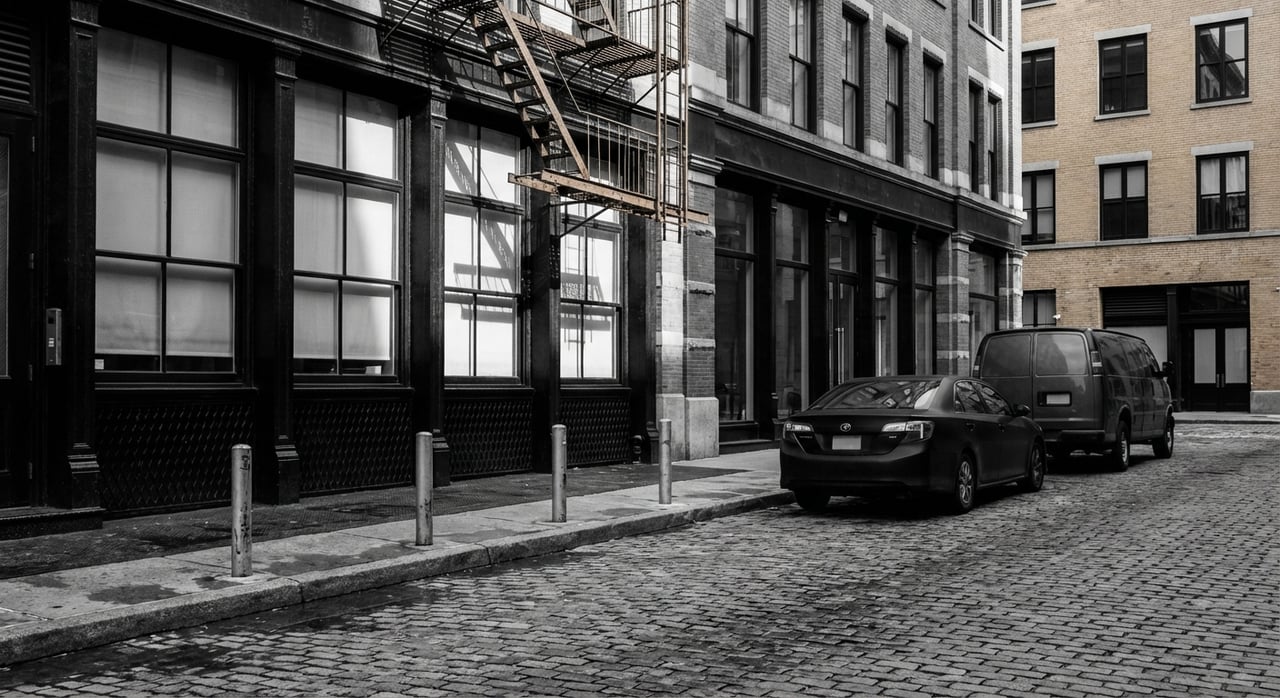
SoHo’s cast‑iron buildings and 19th‑century industrial history create a rare mix of authenticity and design cachet. Buyers here are design‑ and art‑minded, often local or international, and willing to pay for architectural integrity and a compelling story. They compare options across Tribeca, NoHo, Greenwich Village, and Hudson Square, so your home must compete with those benchmarks.
The product mix includes classic cast‑iron lofts, boutique condos, and some co‑ops. Interiors range from raw lofts to fully realized luxury conversions. Legal status matters. A legally converted loft typically has a broader financing pool than a loft‑style layout without full approvals, which can affect demand and pricing strategy.
Regulatory context also shapes value. Much of SoHo sits within the SoHo Cast‑Iron Historic District. Façades are protected, which helps preserve authenticity for buyers who prize architecture. Interior work is usually less restricted, though all permitted alterations and filings should be documented. Condo and co‑op structures follow different approval paths, which can influence your timeline and buyer pool.
Value drivers buyers pay for
Architectural provenance and narrative
Provenance is often the emotional spark. Buyers respond to a building’s origin story, ties to the arts, noteworthy past residents, or published architectural coverage. When you present that narrative clearly and credibly, you can reach design‑collector buyers who see cultural value beyond square footage. The premium varies by buyer, so support the story with documentation.
Cast‑iron façade and original detail
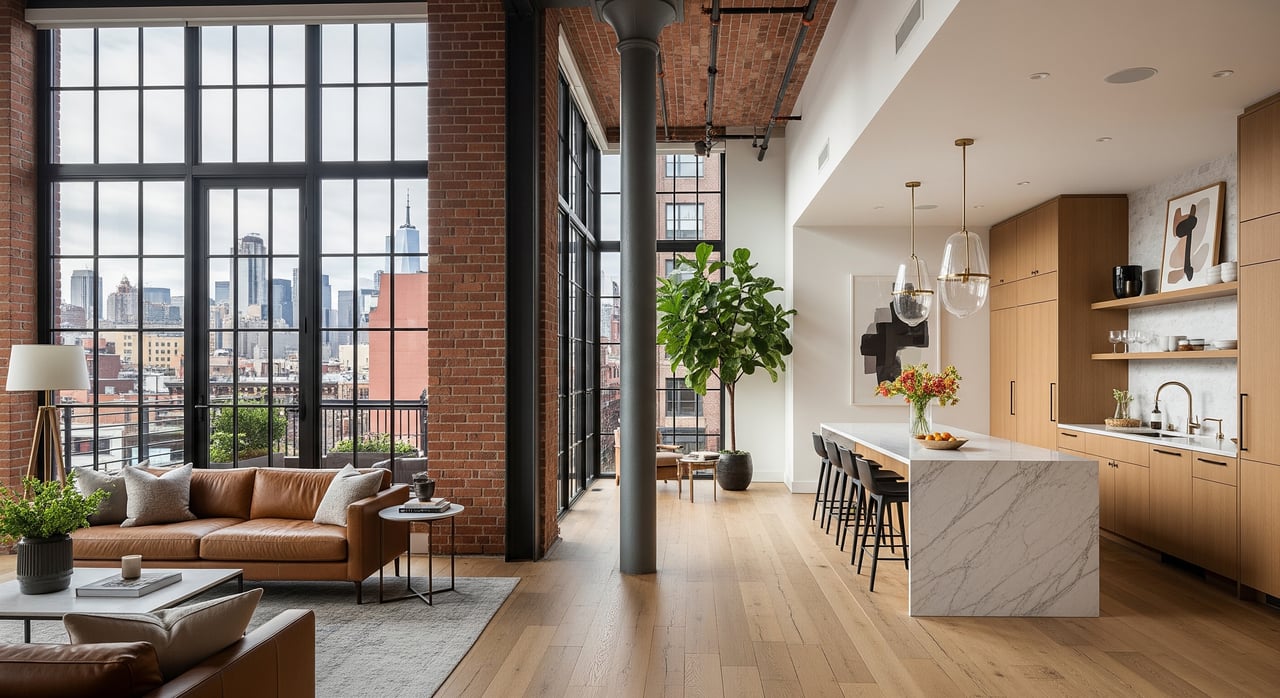
Original columns, ironwork, moldings, exposed brick, and oversized windows are scarce and sought after. These details frame how the home photographs and feels in person. Landmark protections that preserve façades are often seen as a plus because they safeguard the authentic character buyers want.
Ceiling height and floor plate
High ceilings, often 12 feet or more, are one of the top must‑haves. Tall volume and open, column‑free spans allow dramatic design moves, art display, and flexible layouts. This sense of scale can disproportionately lift perceived value compared to homes with similar square footage but less volume.
Light, exposure, and views
Southern and western exposures with factory‑scale windows deliver the kind of light that sells. Light quality drives photography, staging impact, and daily livability. If your home captures consistent sun or has a standout façade view, highlight it early and often in marketing.
Renovation caliber and systems
Design buyers pay for turnkey more than cosmetic touches. Strong renovation signals include modern mechanicals, central HVAC, proper permits and sign‑offs, high‑end kitchens with thoughtful layouts, soundproofing, custom millwork, and considered lighting design. A beautiful appliance list means less without smart circulation and documented compliance.
Outdoor space and amenities
Private outdoor space is scarce in SoHo. A roof terrace, balcony, or private garden can command a real premium when paired with strong interiors. Doorman, elevator, storage, and fitness rooms help widen the buyer pool, though pure loft buyers often prize the architecture first.
Livability for art and everyday life
Collectors value wall space, climate control, and tall ceilings. Most buyers still want livability, with quiet bedrooms, storage, and privacy. Well‑balanced layouts that deliver both design and function speak to the widest audience.
Price strategy for demand
Choose your pricing framework
- Comparable‑based pricing: Start with recent closed sales for similar SoHo lofts or condos. Adjust for ceiling height, window scale, floor level, finish quality, and legal status.
- Price‑per‑square‑foot: Use this as a quick reference, not a decision driver. Loft layouts are unique, so per‑feature adjustments are more accurate.
- Value‑added pricing: Itemize premiums for cast‑iron detail, documented provenance, turnkey renovations, light, and outdoor space. Treat these like line‑item upgrades layered onto comps.
Premium vs time on market
A premium listing price can work when the home is truly differentiated and your marketing reaches niche design buyers. The upside is preserving value and signaling exclusivity. The tradeoff is longer days on market and potential price fatigue if the audience is not reached quickly. Freshness matters in SoHo, especially if you plan to pursue press or editorial exposure.
Pricing at or near market can attract more showings and multiple offers. You may trade some upside for speed and certainty. Strategic under‑pricing to incite bidding can backfire on unique assets with a narrower buyer pool, so use that approach with care.
Financing and appraisal realities
Unconventional layouts can reduce the financing pool because appraisers need close comps. If financing is a concern, you might price more competitively to widen demand. If your likely buyer is cash or collector‑oriented, you can lean into a premium narrative with a stronger presentation.
Tactical levers to manage speed
- Pre‑market previews and a “coming soon” phase can build broker and press interest before the public launch.
- Staging and studio‑grade visuals justify premium pricing and support the narrative buyers need to see.
- Controlled offer windows can create urgency once interest is high.
- Pre‑set review points, such as 30 to 60 days after launch, help you decide on refinements to price or distribution.
- Negotiation tools like escalation clauses, flexible closing dates, or limited concessions can bridge gaps while protecting your net.
Visuals that sell SoHo homes
Studio‑grade media is the baseline
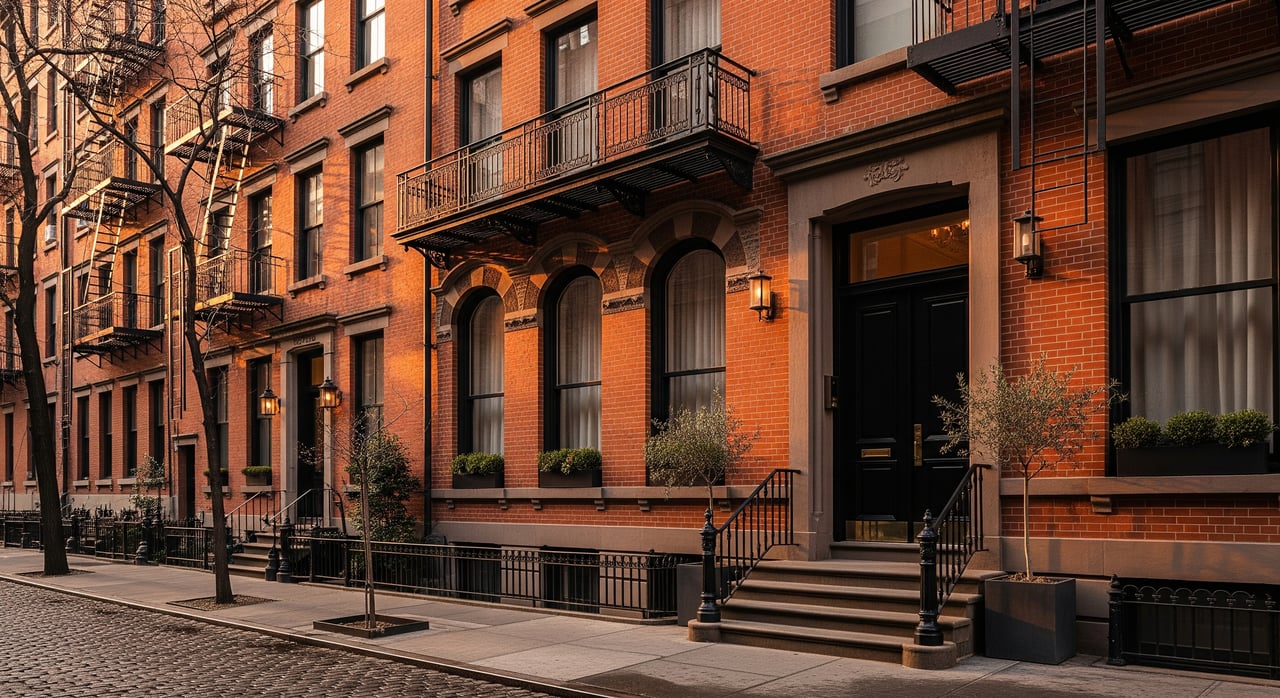
Wide‑angle stills, real estate lighting, and color‑corrected images should be standard. Twilight façade shots help showcase cast‑iron detail. Cinematic video and short social clips convey volume and light flow in a way photos cannot. Accurate 2D floor plans are essential for loft layouts, and interactive or 3D tools help remote buyers pre‑qualify.
Staging that fits the architecture
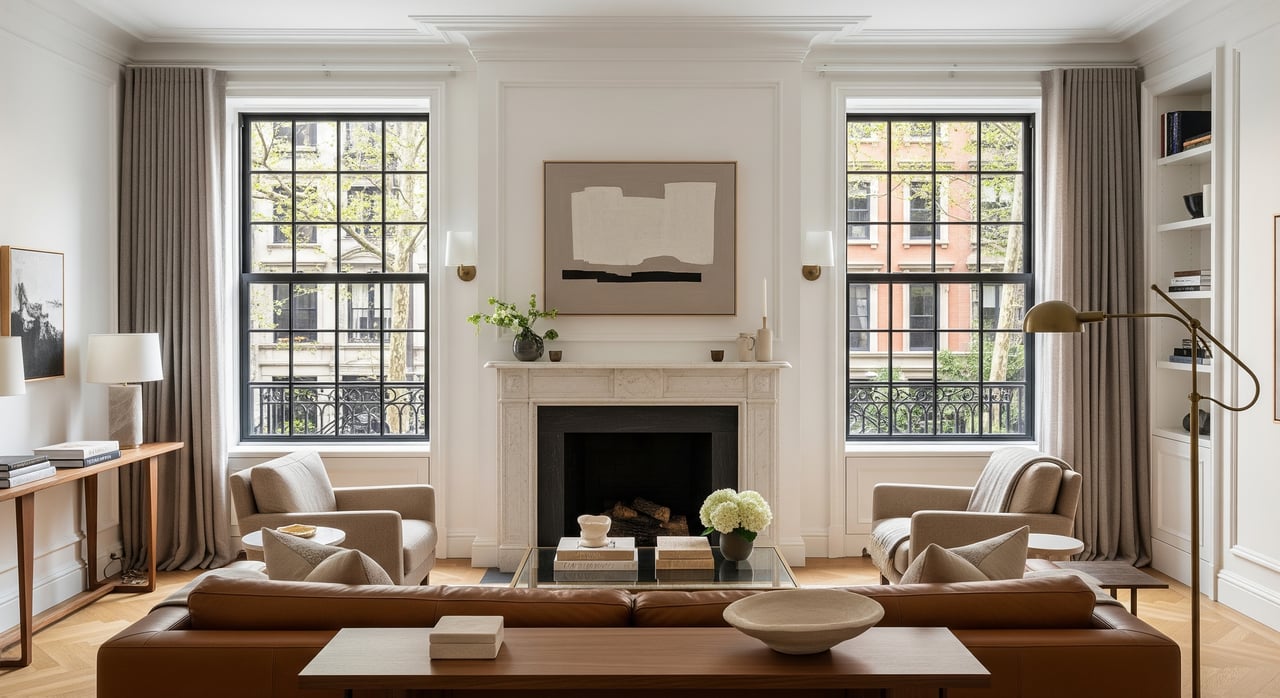
Physical staging excels in design‑driven homes because it conveys materiality and scale. Use furnishings and art that complement the industrial character without overwhelming it. Virtual staging can be helpful in vacant spaces, but disclose it clearly and use it selectively to maintain trust.
Distribution that reaches the right buyers
Target the channels that align with your audience. This means curated outreach to top loft brokers, art and collector networks, and lifestyle and design media. Pair MLS and full syndication with targeted digital ads and private broker events. Broker breakfasts, gallery viewings, and invite‑only previews can surface the most motivated prospects early.
Compliance and documentation for marketing
Be ready to validate what you market. Keep permits, sign‑offs, landmark context, and any provenance documentation at hand. Coordinate shoots with building rules, and ensure any staged art is properly licensed or disclosed.
Step‑by‑step pricing plan
Use this checklist to prepare your home and your strategy before you go live:
- Assemble documentation. Gather permits, certificates of occupancy if changed, drawings, prior listing history, and any published coverage or provenance materials.
- Verify structure and systems. Confirm HVAC, electrical capacity, plumbing, soundproofing, and permitted conditions. Correct or disclose known issues.
- Map real comps. Pull recent closed sales for similar SoHo lofts and nearby peer neighborhoods. Adjust for ceiling height, window scale, exposure, renovation quality, floor level, and outdoor space.
- Quantify value‑adds. Itemize premiums for provenance, cast‑iron detail, turnkey finish, light, and private outdoor areas. Treat them as adjustments to the comp set.
- Set the launch strategy. Decide on premium, market‑competitive, or strategic under‑pricing based on differentiation, likely buyer profile, and financing risks.
- Invest in visuals. Commission studio‑grade photography, twilight shots, floor plans, video, and short‑form social edits. Prepare broker‑preview materials.
- Plan distribution. Identify target brokers and press outlets, schedule private previews, and prepare digital ads to reach design and art audiences.
- Stage with intention. Use physical staging that complements the architecture and highlights proportion, light, and circulation.
- Define offer mechanics. Consider an offer window if interest is high, and set expectations for response timelines and terms.
- Pre‑set review points. Agree on a 30‑ to 60‑day plan for feedback, traffic metrics, and potential pricing or marketing adjustments.
Metrics to watch after launch
Track showings per week, time on page for your digital listing, virtual tour engagement, and the ratio of list price to incoming offers. Note broker feedback themes, especially comments about light, ceiling height, and layout. Compare days on market to your initial plan to decide whether to enhance distribution, refresh visuals, or adjust price.
Common pitfalls to avoid
- Over‑relying on price per square foot in a loft market with nonstandard layouts.
- Launching without permits or provenance documents ready to share.
- Using low‑quality or poorly lit photography that undercuts perceived value.
- Overusing virtual staging without disclosure or without a physical staging plan.
- Ignoring condo versus co‑op approval timelines when setting expectations on speed.
When premium pricing works here
Premium pricing fits when your home delivers multiple scarce SoHo attributes at once and you can reach the buyers who value them. Think exceptional ceiling height, authentic cast‑iron detail, superior light, a documented renovation, and a compelling provenance story. Pair those attributes with press‑grade visuals, curated broker outreach, and targeted distribution. The stronger the differentiation and the sharper the campaign, the more confident you can be at the top of the range.
Work with a marketing‑first advocate
You deserve a launch that treats your home like the design asset it is. A media‑native approach with studio‑grade production, social‑first storytelling, and curated outreach can compress timelines and protect your upside. If you want a pricing and marketing plan tailored to your loft’s specific strengths, connect with Jessica Markowski for a confidential strategy session.
FAQs
What adds the most value in a SoHo loft?
- Tall ceilings, abundant natural light, authentic cast‑iron detail, documented renovation quality, and a credible provenance narrative typically drive the strongest buyer response.
How long should I hold a premium price?
- Set a review window of 30 to 60 days, assess showings and feedback, then refine price or distribution if momentum is below plan.
Do condos sell faster than co‑ops in SoHo?
- Condos usually attract a wider buyer pool and can close faster, while co‑ops often have longer approval processes that can extend timelines.
Can I sell a loft‑style unit without legal conversion?
- Yes, but expect a smaller financing pool and more scrutiny, so price and market accordingly and disclose permits and status clearly.
Does staging and photography really change outcomes?
- Yes, studio‑grade visuals and thoughtful staging materially increase perceived quality, showing volume, and buyer confidence, which supports stronger pricing.