If you are considering the Greenpoint waterfront, you are probably wondering whether it feels like classic Brooklyn, a newer riverfront enclave, or a bit of both. That is exactly what makes this part of the neighborhood so interesting and so important to understand before you move. From parks and ferry access to newer buildings and the contrast with inland streets, here is what you can realistically expect from daily life on the Greenpoint waterfront. Let’s dive in.
The Greenpoint waterfront feels distinct
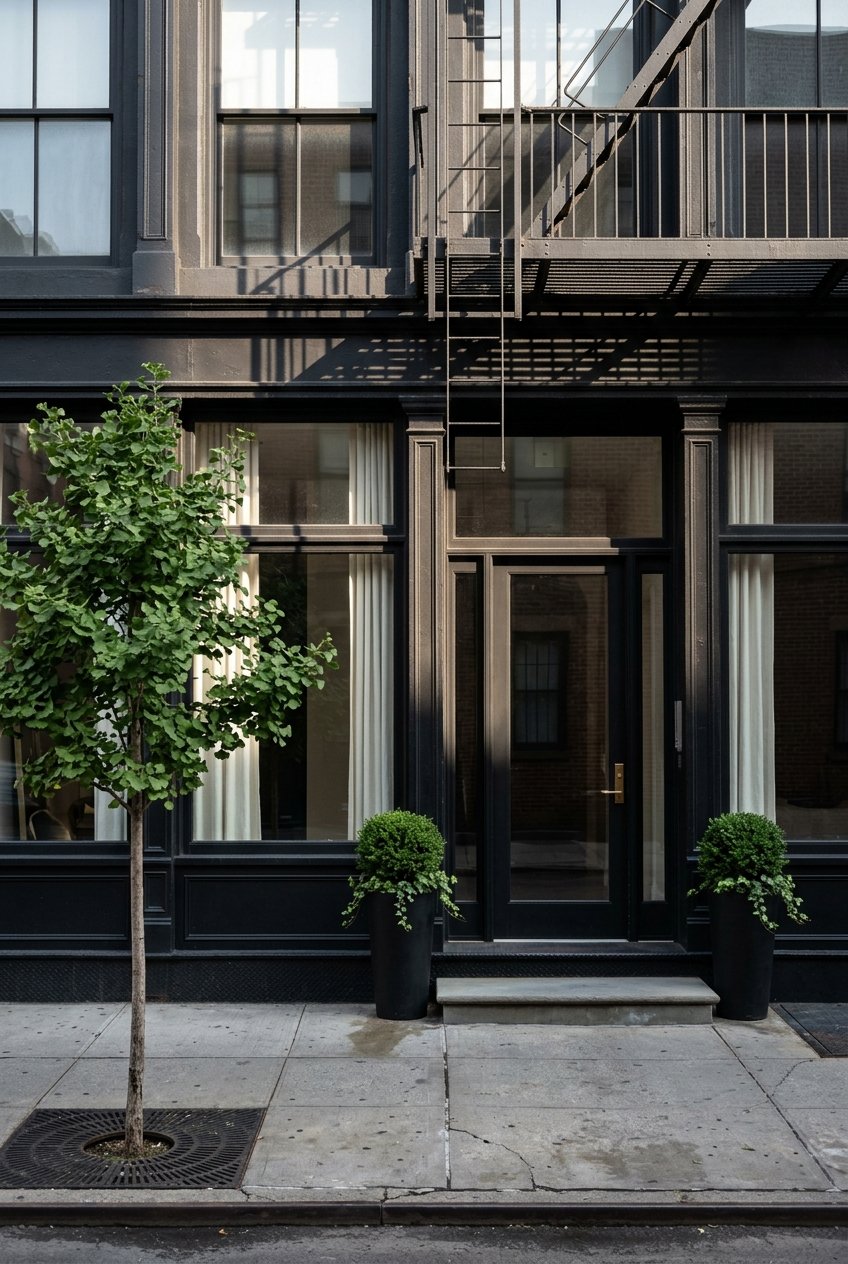
One of the first things you will notice is that the waterfront and the interior of Greenpoint can feel like two different experiences within the same neighborhood. According to the city’s land-use review, inland Greenpoint is defined by a mix of low- and mid-rise residential and industrial buildings, with many three- to four-story brick or frame buildings, stoops, and local retail clustered around Manhattan Avenue. That older fabric still shapes how much of the neighborhood looks and functions today.
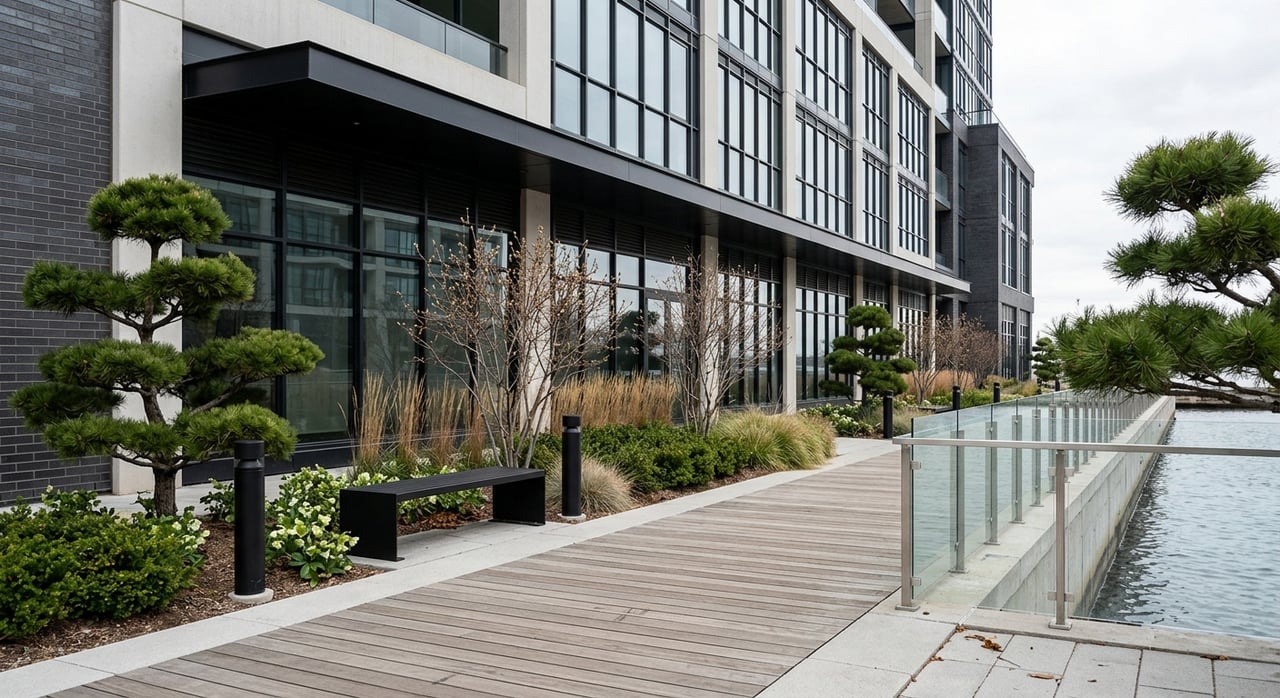
By contrast, the waterfront leans newer, taller, and more self-contained. The practical result is a more view-oriented residential experience along the East River, while the inland streets often feel more rooted in everyday neighborhood activity. If you are choosing between the two, you are not just choosing an address. You are choosing a style of daily life.
New buildings shape the waterfront
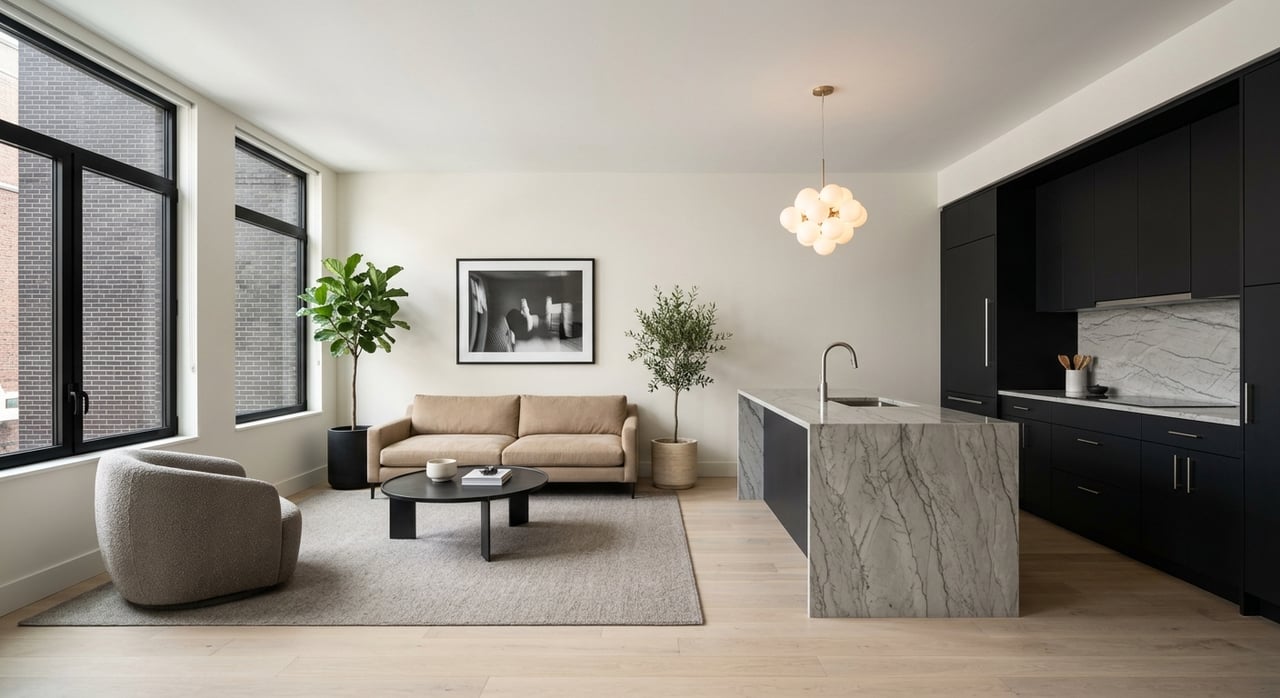
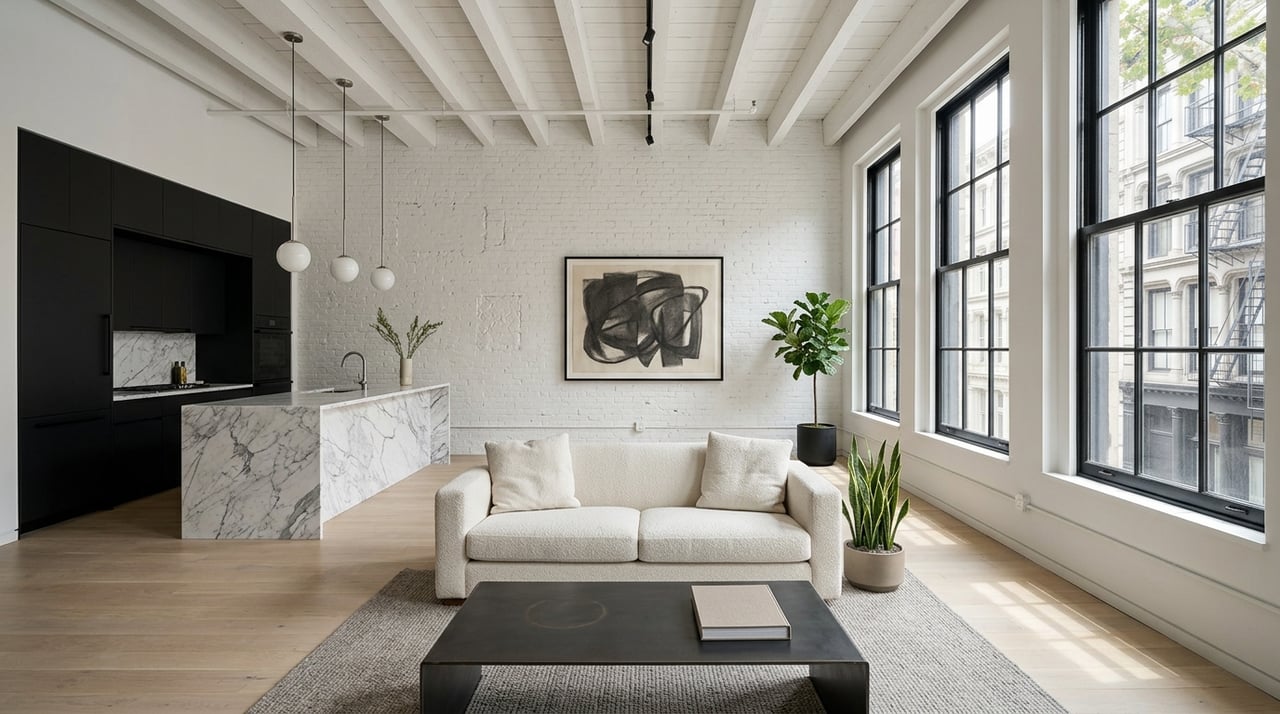
If your image of the Greenpoint waterfront includes modern apartment buildings, that is grounded in reality. Greenpoint Landing is a 22-acre master-planned waterfront site with roughly 5,500 apartments and five acres of public open space, and by 2024, 11 residential buildings had opened there.
This concentration of new development gives the waterfront a more recently built feel than many interior blocks. It also helps explain why the area can feel more amenity-driven and design-forward. In one recent example, 35 Commercial Street includes features such as outdoor space, a fitness center, play areas, a communal lounge, Wi-Fi, bike parking, and skyline views.
Expect a more amenity-focused lifestyle
Living on the waterfront often means your building may play a bigger role in your day-to-day routine. In newer developments, residents may spend more time using on-site spaces, gathering areas, or waterfront-facing outdoor amenities.
That can be a major draw if you value convenience and a polished residential experience. At the same time, it may feel less like the traditional Brooklyn rhythm of stepping out directly into blocks lined with smaller buildings and long-established storefronts.
Waterfront access is scenic but not seamless
One of the biggest benefits of living here is access to the water itself. Greenpoint offers several public waterfront spaces that add real value to the area, especially if you enjoy open views, outdoor time, and a little breathing room by the river.
WNYC Transmitter Park is one of the standout local destinations. It includes a waterfront esplanade, overlook, seating, lawn, fishing pier, play area, nature gardens, spray shower, and skyline views across the East River.
The Newtown Creek Nature Walk offers a different kind of shoreline experience. It is a half-mile self-guided promenade along a revived industrial shoreline, and it is ADA accessible and open from dawn to dusk, weather permitting.
The shoreline is pieced together
What you should know, though, is that the waterfront does not read like one long, uninterrupted park. Based on the city’s waterfront access framework, it is better understood as a series of parks, shore walkways, and connections rather than one continuous linear experience.
That does not make it any less appealing. It simply means your walks and routines may feel more stitched together than they would in a neighborhood with a single uninterrupted waterfront promenade.
Transit is one of the biggest advantages
For many buyers and renters, the Greenpoint waterfront works because transportation options are layered. You are not relying on just one mode of travel, and that flexibility matters in daily life.
The NYC Ferry East River route serves Greenpoint and connects the neighborhood to Midtown and the Financial District. For waterfront residents in particular, ferry service can be a meaningful quality-of-life benefit, especially if you value a more scenic commute.
The neighborhood is also served by the G train at Greenpoint Av and Nassau Av, and the Greenpoint Av station is ADA accessible. On top of that, the Brooklyn Waterfront Greenway supports biking as a practical transportation option as well as a recreational one.
You likely will not need a car
If you are deciding whether the waterfront feels workable without driving, the answer is generally yes. Ferry service, subway access, walkable local streets, and biking infrastructure all support a car-light lifestyle.
That said, your exact routine matters. If your work or social life depends heavily on other parts of the city, it is smart to think about how often you would use the ferry, the G train, or a bike before deciding which block fits you best.
Daily life still pulls inland
One common question is whether the waterfront feels isolated. Not exactly, but it can feel more self-contained than interior Greenpoint, especially in clusters of newer residential buildings.
The city’s land-use review notes that Greenpoint’s main retail concentration is around Manhattan Avenue. That matters because it means many of the neighborhood’s everyday errands, dining habits, and street-level activity are still strongly tied to inland commercial corridors rather than the water’s edge.
At the same time, Greenpoint’s food scene has become a destination in its own right. Eater’s Greenpoint dining guide highlights a range that includes Polish restaurants, Vietnamese, Japanese, pizza, tasting-menu spots, and more contemporary options.
Expect two different rhythms
If you live on the waterfront, you may find that your home life feels calmer and more residential, while your daily neighborhood routine takes you inland for shops, meals, and street activity. That contrast is part of the appeal for many people.
You get the open views and newer housing stock of the riverfront, but you are still close to the older commercial spine that gives Greenpoint much of its identity. In practice, that balance is often what makes the area feel dynamic instead of one-note.
The setting is not purely polished
It is important to have a balanced picture of the waterfront. While there are strong views, public access points, and newer residential buildings, parts of the area also border active infrastructure and industrial uses.
The Newtown Creek Nature Walk is explicitly framed as part of a revived industrial shoreline adjacent to the Newtown Creek wastewater facility. That is part of the neighborhood’s reality. The Greenpoint waterfront mixes scenic appeal with a working-waterfront environment.
For some buyers, that layered setting feels authentic and distinctly New York. For others, it is a reminder that riverfront living here is not the same as living in a fully resort-like waterfront district. Understanding that difference upfront can help you make a smarter decision.
Greenpoint remains renter-oriented overall
If the waterfront feels busy and in demand, the broader neighborhood data helps explain why. According to the Furman Center neighborhood profile, Greenpoint and Williamsburg together had 191,029 residents in 2023, a median household income of $115,720, median gross rent of $2,570, and a 16.1% homeownership rate.
The same report notes that from 2010 to 2024, the district added 24,491 housing units, including 5,042 income-restricted units. While those figures cover the wider community district rather than only the waterfront, they help frame why the area feels dense, active, and still heavily renter-oriented.
Who the waterfront may suit best
The Greenpoint waterfront can be a strong fit if you want a home that blends newer construction, river views, and multiple transit options with quick access to a neighborhood that still has a distinct local identity. It can also work well if you like the idea of having both a quieter residential edge and an inland commercial core within reach.
You may be especially drawn to it if you value:
- Newer buildings and more contemporary layouts
- Access to waterfront parks and open views
- Ferry service as part of your commute
- A mix of residential calm and neighborhood energy
- A Brooklyn setting that feels both established and evolving
If, on the other hand, you want to be immersed in the most traditional block-by-block rhythm of Greenpoint from the moment you step outside, interior streets may feel like a better match.
Final thoughts on waterfront living
Living on the Greenpoint waterfront is less about choosing a single neighborhood vibe and more about choosing a blend of experiences. You are getting newer development, public waterfront access, and strong transportation options, but you are also stepping into a part of Brooklyn where the shoreline, industrial history, and neighborhood fabric still intersect in visible ways.
That combination is exactly why the area stands out. If you want help evaluating whether the waterfront or inland Greenpoint is the better fit for your goals, Jessica Markowski can help you navigate the options with a tailored, strategic approach.
FAQs
What is daily life like on the Greenpoint waterfront?
- Daily life on the Greenpoint waterfront often combines newer residential buildings, access to parks and shore walkways, and easy connections to inland Greenpoint for retail, dining, and errands.
Is the Greenpoint waterfront isolated from the rest of the neighborhood?
- No, but it can feel more self-contained than inland Greenpoint because many of the strongest retail and dining corridors are centered around Manhattan Avenue and nearby interior streets.
What transportation options serve the Greenpoint waterfront?
- The area is served by the NYC Ferry East River route, the G train at Greenpoint Av and Nassau Av, and biking connections through the Brooklyn Waterfront Greenway.
Are there parks on the Greenpoint waterfront?
- Yes, notable public spaces include WNYC Transmitter Park and the Newtown Creek Nature Walk, which provide waterfront access, seating, open views, and walking space.
Do Greenpoint waterfront buildings tend to be newer?
- Yes, the waterfront is generally associated with newer and taller residential development, especially in areas shaped by projects such as Greenpoint Landing.
Does the Greenpoint waterfront feel the same as inland Greenpoint?
- No, the waterfront typically feels more modern and amenity-focused, while inland Greenpoint is more defined by smaller-scale buildings, neighborhood retail, and traditional Brooklyn street life.