If your idea of luxury is a quiet, design-first home above a tree-lined street, Nolita may be your sweet spot. You want privacy, character, and walk-to-everything convenience without the impersonality of a massive tower. In this guide, you’ll see how Nolita’s boutique condos deliver that balance, what daily life looks like, and the smart checks to make before you buy. Let’s dive in.
Nolita at a glance
Nolita sits north of Little Italy in Lower Manhattan, framed by Houston Street, the Bowery, Broome Street, and Lafayette Street. The name and identity emerged in the 1990s as the area differentiated from Little Italy’s core, and it has held onto a distinct neighborhood feel ever since. You can read a concise history and boundary overview on the neighborhood’s Wikipedia page.
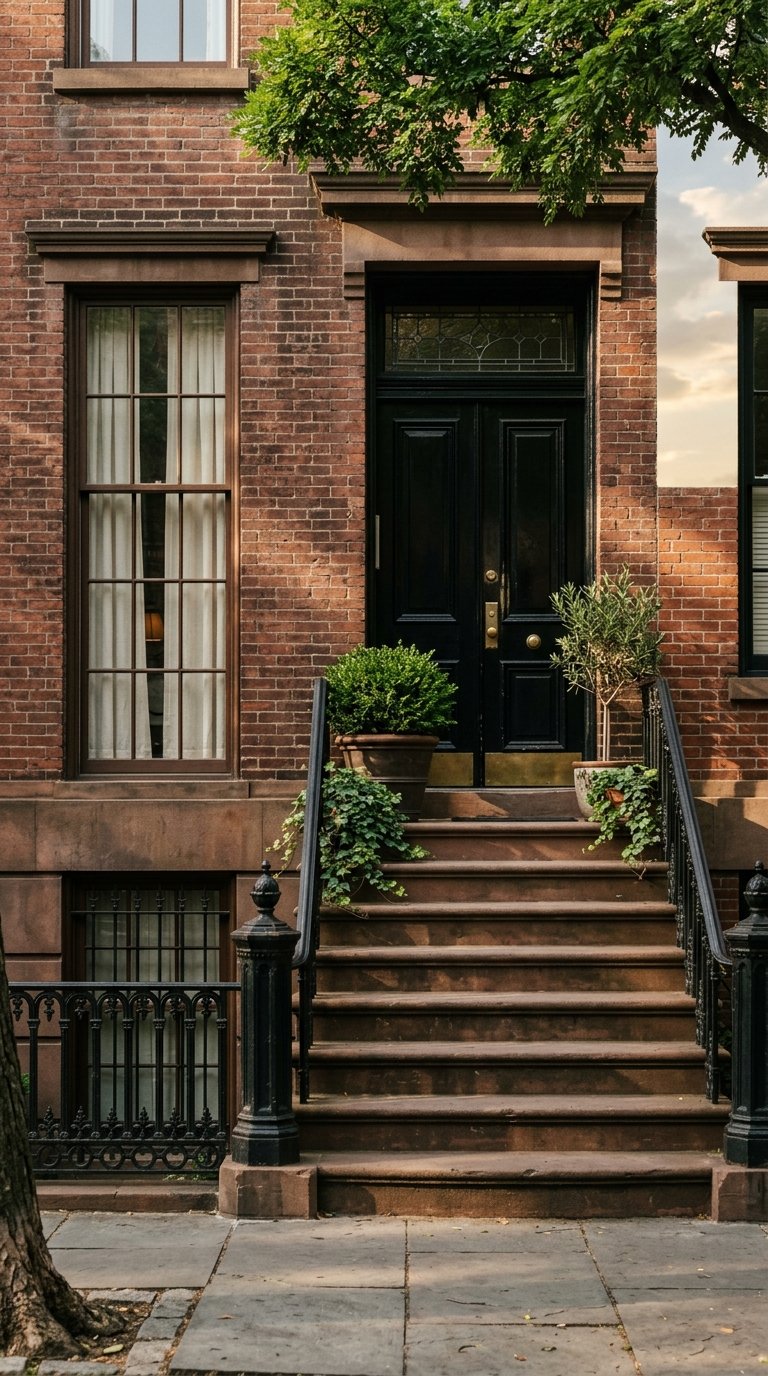
The streetscape is human scale. Blocks are narrow and leafy, buildings tend to be 4 to 7 stories, and the storefront mix skews independent and design-forward. You feel the difference on foot: smaller entries, layered signage, and gallery-like boutiques instead of big-box anchors. Limited building size also means limited condo supply, which helps explain why pricing often trends above city averages.
What “boutique condo” means here
Design and architecture
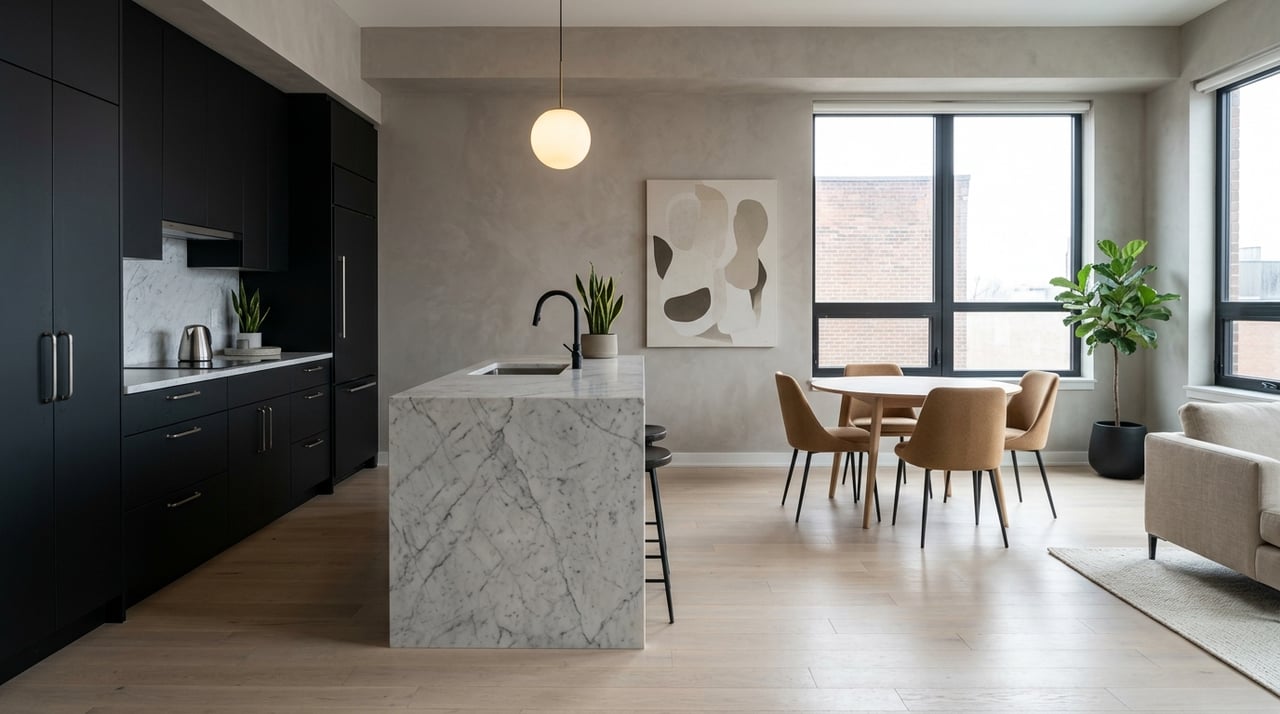
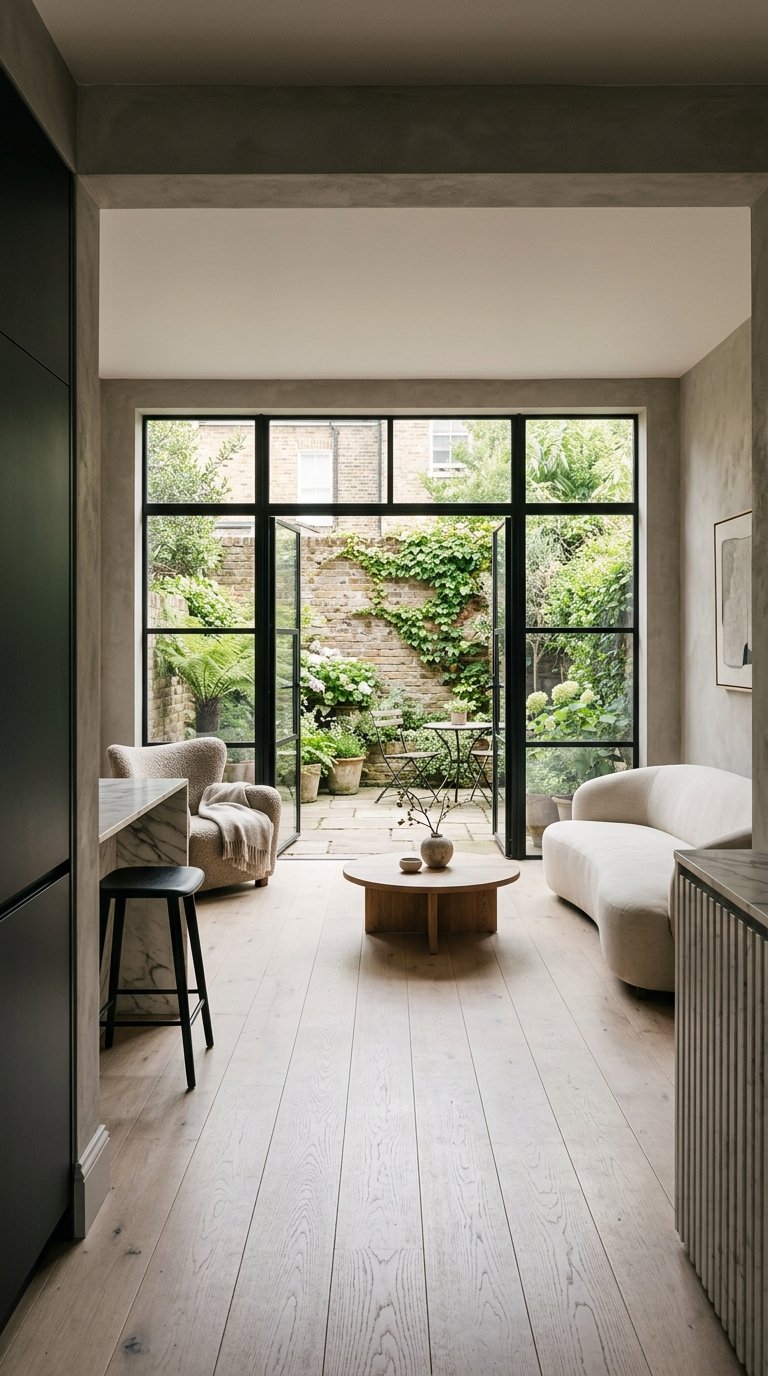
Boutique in Nolita means small buildings with a strong point of view. You’ll see custom millwork, herringbone floors, bespoke stone, and keyed elevator entries that bring a brownstone-like intimacy to apartment living. Architect-led projects set the tone: HWKN’s four-residence building at 378 Broome Street is a case in point, with curated finishes, private or keyed elevator access, and full-floor or duplex layouts. Earlier conversions like 354 Broome, known as The Ice House, show how older industrial shells become character-rich homes with high ceilings and exposed brick.
Amenities that matter
Boutique buildings tend to keep amenities intentional and modest. Expect a landscaped roof deck, bike room, perhaps a small gym, and sometimes a part-time doorman. The trade is clear: you get privacy, design, and identity instead of a long list of shared facilities. That focus is a calling card for Nolita, where the neighborhood itself acts like an amenity.
Floor plans and privacy
Uncommon floor plans are common here. Full-floor residences, duplexes, and penthouses with terraces are a draw, and they read as special because there are so few of them. A penthouse at 199 Mott Street illustrates why buyers stretch: privacy, outdoor space, and downtown views packed into a small building. Other addresses like 211 Elizabeth Street underscore the designer-built model, where finishes and proportions do the talking.
A day in Nolita
Morning to night
Living here, your day often starts at a coffee window on Elizabeth or Mott, followed by a walk to a gallery or a favorite lunch spot. Thin-crust institutions like Rubirosa draw regulars, and dessert shops such as Rice to Riches on Spring Street keep the neighborhood sweet. Evenings bring quiet side streets, candlelit restaurants, and unhurried strolls home.
Green pockets you keep
There are no large parks, so pocket spaces matter. The Elizabeth Street Garden has become a neighborhood anchor and a source of civic energy. Residents treat it like a shared backyard, a place to exhale in a dense part of downtown.
Change on the corners
Nolita balances longtime favorites with trend-forward newcomers, and it does feel the pressures of retail economics. The late-2025 closure of Café Gitane, covered by local outlets such as Eater, is a recent example. It’s a reminder that the neighborhood evolves, but the human-scale fabric and independent spirit remain.
Boutique vs full-service
Services and feel
- Boutique: roof deck, bike storage, occasional gym, sometimes a part-time doorman. The feel is discreet and residential, with fewer neighbors and more privacy.
- Full-service: 24/7 staff, concierge, large gyms, pools, lounges, and playrooms. The feel is comprehensive and hotel-like, with larger resident populations.
Costs and reserves
Because small buildings have fewer owners, common charges can be lower if services are limited, but capital costs are spread across fewer units. That can make assessments feel larger per household in certain years. Protect yourself by requesting and reviewing the offering plan or condo declaration, current financials, reserve balance, and recent board minutes. For context on how offering plans work in New York, see this summary of New York condo laws and filings.
Resale and scarcity
Architect-led residences, full-floor layouts, and private outdoor spaces are scarce, which can help values hold over time. The flip side is thinner comparable sales. In Nolita, a single penthouse trade can skew average price-per-square-foot figures. When pricing or evaluating value, put more weight on exact features and recent, nearby closes than on broad neighborhood averages.
Smart buyer checklist
- Building basics: year built, number of units, floor plan types, elevator details, pet policy, sublet rules, and any flip tax.
- Operating profile: current common charges, real estate taxes, and a list of included services. Note any part-time staffing.
- Financials and governance: offering plan or condo declaration, latest audited or compiled financials, reserve balance, and recent board minutes. For new or recent conversions, request amendment history.
- Recent comps: the nearest three closed sales by floor plan and outdoor space, plus days on market and closing dates. Use the immediate block and adjacent streets due to micro-scale variation.
- Physical condition: roof, façade, elevator, and mechanicals. In small buildings, timing of major work matters because costs are shared by fewer owners.
Is this lifestyle for you
If you are style-conscious, value privacy and design, and want to live above a walkable network of cafés, boutiques, and galleries, Nolita’s boutique condos tend to fit. The draw is intimacy and identity over amenities volume. You will likely pay a premium for special layouts, keyed elevators, and private terraces, but you gain a home that feels personal and connected to the street below.
Ready to explore
Curious which Nolita buildings align with your taste, budget, and timeline. For a curated shortlist and a private tour plan, connect with Jessica Markowski. Schedule a private consultation and get a media-smart, design-savvy approach to buying in one of downtown’s most distinctive enclaves.
FAQs
What defines a Nolita boutique condo
- Small buildings with a few to a few dozen residences, architect-led design, unique floor plans like full-floor or duplex layouts, and focused amenities such as a roof deck and bike storage.
How do boutique amenities compare to full-service towers
- Boutiques offer privacy-first basics, sometimes with part-time staff, while full-service towers add 24/7 staffing, pools, large gyms, lounges, and concierge programs.
Is Nolita noisy and how walkable is it
- Streets are lively and very walkable, with a village-like scale that often feels calmer than nearby SoHo on select blocks, though energy levels vary by corner and time of day.
Are boutique condos in Nolita a good investment
- They can be, especially homes with architect pedigree, outdoor space, or full-floor layouts, but comps are thin, so value is feature-driven. Always review building financials and recent local closes.
Where can I see architect-led examples in Nolita
- HWKN’s work at 378 Broome Street illustrates the genre, with keyed elevator access, curated finishes, and full-floor or duplex configurations.