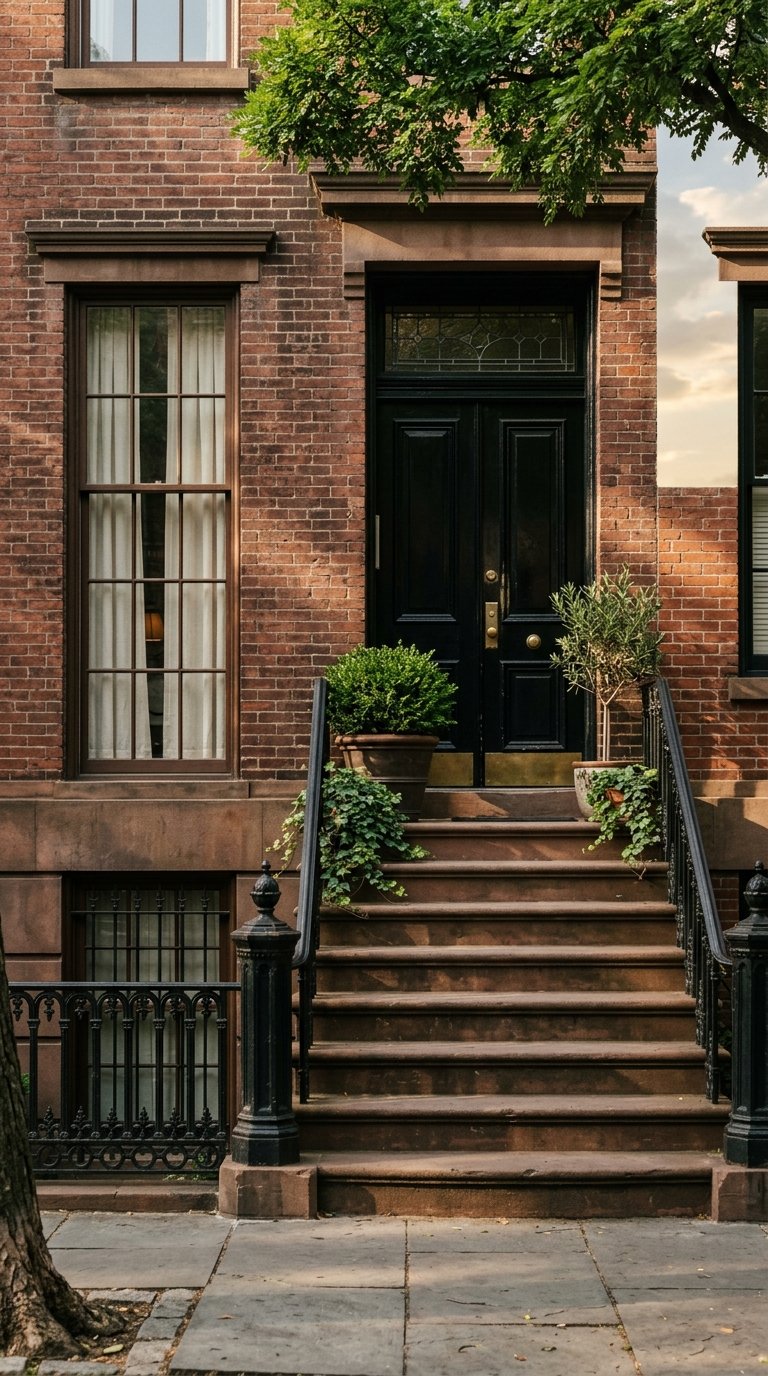
What if the rarest luxury in Manhattan is not height, but scale? In the West Village, townhouse living offers a different kind of downtown experience: historic facades, tree-lined blocks, and the feeling of having a real house in the middle of the city. If you are considering a move here, understanding both the romance and the reality matters, so let’s dive in.
Why West Village townhouses stand out
West Village townhouse living feels distinct because the neighborhood was shaped to stay that way. Much of the area sits within the Greenwich Village Historic District, which was designated in 1969 and remains New York City’s largest historic district, with more than 2,000 buildings across more than 65 blocks.
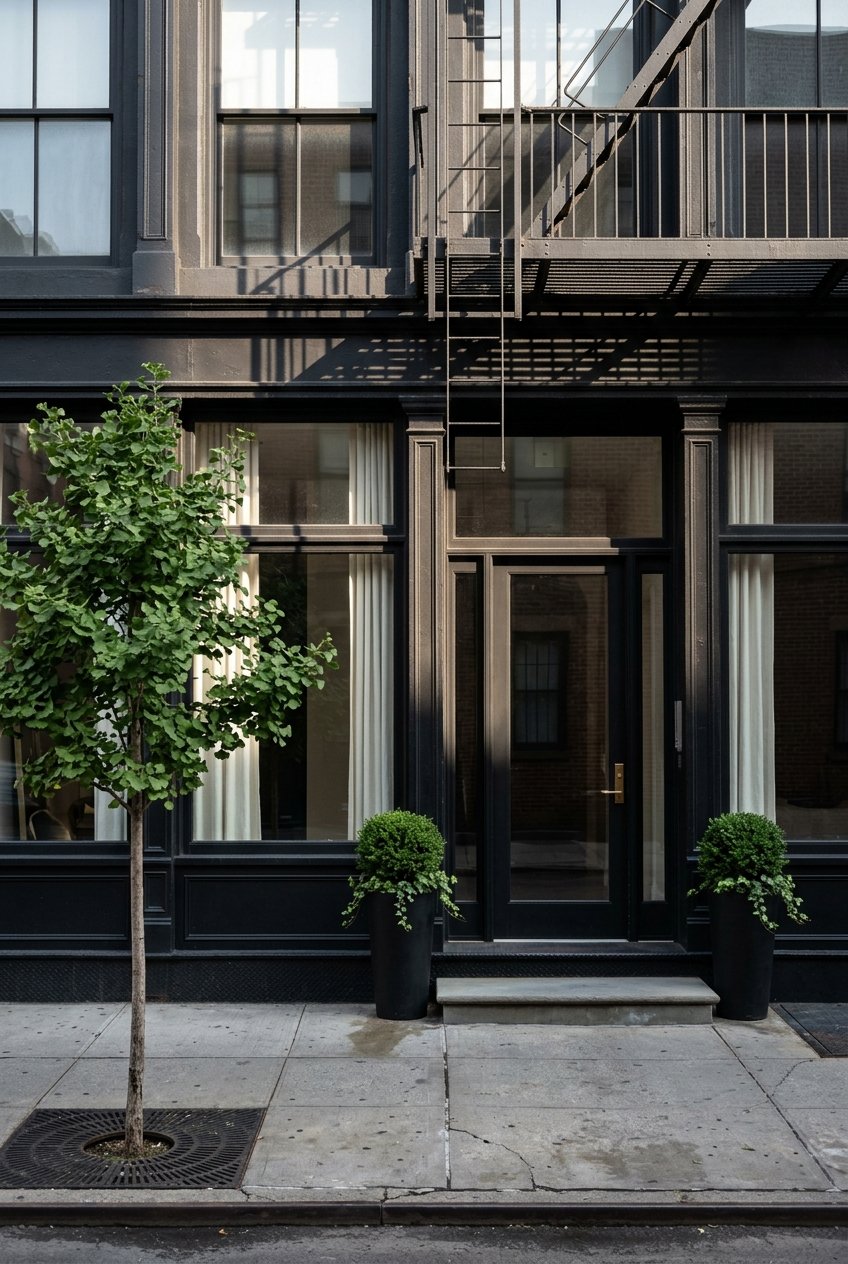
That designation helps preserve the qualities buyers often notice right away: tree-lined streets, a more human scale, and a streetscape defined by 19th-century homes instead of large towers. The city’s landmark materials specifically point to Federal houses, Greek Revival homes, and Italianate brownstones as part of the neighborhood’s visual identity, which is a big reason West Village blocks feel so recognizable and so hard to replicate elsewhere.
Architecture with real variety
One of the biggest misconceptions about West Village townhouses is that every block feels the same. In reality, the neighborhood has a layered architectural story shaped over nearly two centuries.
According to the city’s historic district extension report, the West Village developed through a mix of rowhouses, tenements, stables, warehouses, and later conversions and additions. That helps explain why one street can feel quiet and residential, while the next has a more eclectic rhythm with commercial uses and adaptive reuse buildings woven in.
For you as a buyer, that variety can be part of the appeal. It means townhouse living here is not one-note. You may find homes with classic historic proportions, different facade treatments, and block-by-block personalities that create a more textured experience of downtown life.
Daily life feels both calm and connected
The strongest case for West Village townhouse living is not just what the homes look like. It is how the neighborhood works in everyday life.
The area offers a rare balance of residential calm and city access. The original landmark report even noted that the neighborhood’s small squares and open spaces make it especially attractive to many families, which still feels relevant today because nearby green space plays such a visible role in the day-to-day experience.
Hudson River Park access
For outdoor time, Hudson River Park is a major draw. The park spans four miles along Manhattan’s west side, covers 550 acres, and welcomes more than 17 million visits a year.
For West Village residents, that means the waterfront is not an occasional destination. It can be part of your routine. The park describes the West Village Apple Garden area as having established trees and shrubs, mature plantings, and layered river views, which helps give this part of downtown a softer, more open edge.
Washington Square Park convenience
Another everyday anchor is Washington Square Park. NYC Parks notes amenities including dog-friendly areas, playgrounds, eateries, public restrooms, spray showers, and Wi-Fi hot spots.
That mix matters because it shows how practical the neighborhood can be. If you are picturing townhouse life here, you are not just buying architectural charm. You are also buying into a walkable daily rhythm that includes public open space, flexible recreation, and neighborhood convenience.
Culture and dining are close at hand
West Village townhouse living also places you near some of downtown’s most established cultural and social destinations. That proximity is part of what keeps the neighborhood feeling livable rather than isolated.
The Whitney Museum describes its Meatpacking District location at 99 Gansevoort Street as steps from the High Line and a short walk from Greenwich Village. It also points to the surrounding mix of restaurants, bars, fashion boutiques, clubs, and hotels, which reinforces how easily West Village residents can tap into a wider downtown ecosystem.
You also have access to places with deep civic and cultural meaning. The Stonewall National Monument Visitor Center opened on Christopher Street in 2024 and is fee-free, adding another important point of connection within the neighborhood’s everyday landscape.
Transit is better than the streetscape suggests
One of the most appealing contradictions of the West Village is that it can feel tucked away while still being very well connected. That is a major reason townhouse buyers are drawn to it.
According to the MTA Manhattan neighborhood map, the neighborhood includes Christopher St-Stonewall on the 1 line and W 4 St-Washington Sq on the A, C, E, B, D, F, and M lines. PATH access nearby also helps connect Manhattan to New Jersey through stations including Christopher Street, 9th Street, 14th Street, 23rd Street, and 33rd Street.
In practical terms, you get a house-scale setting without giving up city mobility. That combination is hard to find in Manhattan, especially if you want privacy and charm without feeling cut off from the rest of downtown or Midtown.
What ownership really involves
The appeal of a West Village townhouse is easy to understand. What deserves equal attention is the ownership model.
A townhouse can offer privacy, independence, and a more personal relationship to your home. At the same time, it often comes with more direct responsibility than a full-service condo or co-op building, especially when the property is in a landmark district.
Landmark approvals matter
If a townhouse is landmarked or located in a historic district, exterior work may require Landmarks Preservation Commission review. The city’s permit application guide covers work related to additions, rear yards, barrier-free access, HVAC and mechanical equipment, fire escapes, and sustainability or resiliency measures.
This is not a rare or symbolic process. The LPC says it receives nearly 12,000 applications each year, and about 95 percent are reviewed by staff rather than commissioners. That is encouraging because it suggests many projects are workable, but it also means planning ahead is essential.
Stewardship is part of the lifestyle
The city’s Rowhouse Manual is designed specifically to help owners preserve and maintain rowhouses in historic districts. That framing is useful because it reflects what townhouse ownership often becomes in the West Village: not just possession, but stewardship.
If you love original architecture and historic context, that can be part of the reward. You are caring for a home that contributes to one of New York’s most established streetscapes. But it also means design decisions may need to be preservation-aware, especially on visible exterior elements.
Maintenance is more hands-on
The day-to-day side of ownership is just as important. New York City’s property owner guidance makes clear that owners are responsible for keeping properties safe and well maintained.
That includes responsibilities such as protecting pipes and water meters from freezing, repairing broken service lines with a licensed plumber, clearing snow and ice from adjoining sidewalks, and handling trash and recycling rules. In short, townhouse living can feel more private and house-like because it is more owner-directed.
Key questions to ask before you buy
If you are seriously considering a West Village townhouse, a few questions can help you evaluate fit early in the process:
- Is the property located within a landmark district?
- What exterior changes would require LPC approval?
- Does the home include rear-yard, roof, or terrace space?
- How much upkeep will you manage directly?
- Do you want a true house-like ownership experience, or a property where outside staffing or management support may play a role?
- How important is walkability to parks, culture, dining, and transit in your daily routine?
These are the questions that help turn a beautiful listing into a smart decision. In a neighborhood as nuanced as the West Village, details matter.
Why buyers stay drawn here
At its best, West Village townhouse living offers something rare in Manhattan: architectural character, outdoor access, cultural depth, and strong transit links in one of the city’s most visually distinct settings. It feels intimate without being disconnected and historic without being frozen in time.
That said, the lifestyle works best when you understand both sides of the equation. You are not just buying charm. You are choosing a more hands-on form of ownership that often asks for planning, upkeep, and respect for the neighborhood’s historic fabric.
If that balance sounds right for you, the West Village can offer a kind of city living that is difficult to duplicate. For a tailored, discreet search or strategic guidance on buying or selling in downtown Manhattan, Jessica Markowski can help you navigate the neighborhood with clarity and care.
FAQs
What makes West Village townhouse living different from other Manhattan neighborhoods?
- West Village townhouse living stands out for its tree-lined streets, preserved 19th-century architecture, and human-scale blocks shaped by the Greenwich Village Historic District.
Do West Village townhouse owners need landmark approval for renovations?
- If a property is landmarked or located within a historic district, exterior work may require review through the Landmarks Preservation Commission, depending on the scope of the project.
How much maintenance comes with owning a West Village townhouse?
- Townhouse ownership is often more hands-on than living in a full-service building, with owners responsible for upkeep, safety, sidewalk clearing, and other property-related tasks.
Is West Village townhouse living convenient for parks and outdoor space?
- Yes, the neighborhood offers access to Hudson River Park and Washington Square Park, giving residents nearby options for waterfront walks, recreation, and open space.
Is transit convenient from the West Village for Manhattan and New Jersey travel?
- Yes, the neighborhood has access to multiple subway lines and nearby PATH stations, which helps connect residents to downtown, Midtown, and New Jersey.