If you are preparing to list a West Village townhouse, the biggest mistake is treating the launch like a simple resale. In this market, buyers are not just comparing square footage or finishes. They are evaluating character, paperwork, presentation, and how confidently the home comes to market. A smart pre-list plan can help you protect value, reduce friction, and create a stronger first impression. Let’s dive in.
Why first impressions matter more
A West Village townhouse is usually a high-attention listing. Manhattan townhouse sales rose 22% in 2024, and in the first half of 2025, sales increased to 122 from 101 a year earlier, while average days on market improved to 201. Sellers also received 93.0% of their last asking price in 1H25, according to Brown Harris Stevens.
That context matters because buyers are still active, especially for quality listings. Brown Harris Stevens also reported that downtown Manhattan townhouse sales averaged $8.46 million and $1,549 per square foot in 1H25. In a neighborhood like the West Village, that supports a launch strategy built around precision, not guesswork.
For many sellers, the takeaway is simple: your first public moment should feel complete. A rushed debut can make buyers focus on what is missing, while a prepared launch helps them focus on what makes your townhouse special.
Check landmark status first
Before you choose paint colors, replace windows, or adjust the stoop, confirm whether your property sits within the Greenwich Village Historic District or a related extension. The Landmarks Preservation Commission regulates designated properties after designation, and much of the West Village falls under that framework.
For designated properties, LPC approval is required before most exterior work begins. Some ordinary exterior maintenance does not require review, such as replacing broken window glass or repainting a door the same color. But more visible changes may require a Permit for Minor Work or a Certificate of Appropriateness.
This is why the safest pre-list approach is often maintenance and restoration, not a larger redesign. If you are trying to prepare for market quickly, preserving original character and resolving visible wear is usually more practical than taking on scope-heavy exterior changes that could affect timing.
Exterior work that may need review
If your townhouse is landmarked, visible exterior changes can trigger LPC review. That can include work involving:
- Windows
- Stoops
- Cornices
- Roof elements
- Rear-yard additions
- Demolition
- Façade alterations
Interior work generally does not require LPC review unless it needs a DOB permit, affects the exterior, or is inside an individually designated interior landmark. For sellers, that distinction can help you decide where to focus time and money before listing.
Prioritize curated maintenance
In the West Village, presentation should read as intentional and well-kept. Buyers at this level often respond to authenticity and immediate livability, so your goal is to make the home feel cared for rather than overworked.
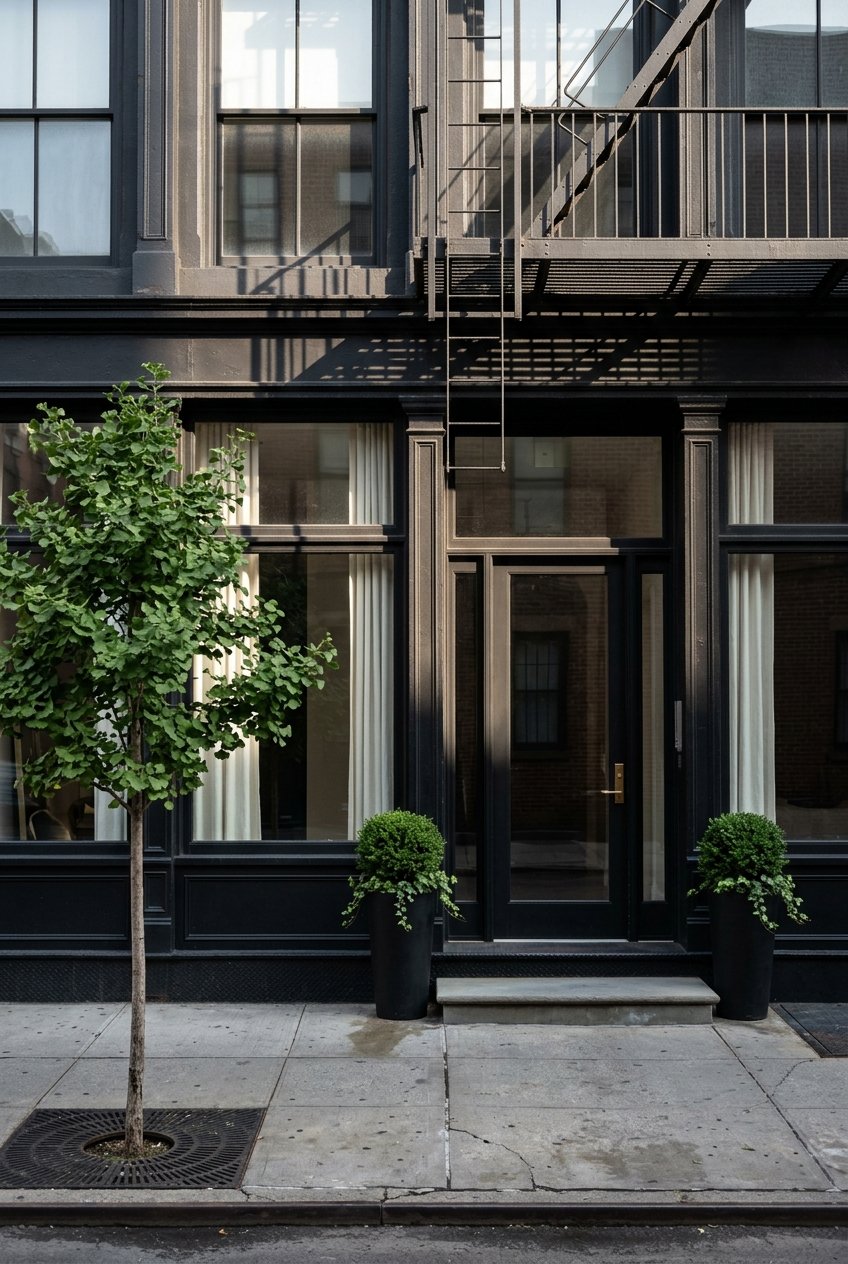
Start with the façade. Clean masonry, repaired hardware, tidy stoops, and coherent exterior lighting can have an outsized impact because they shape the first visual story buyers see online and in person.
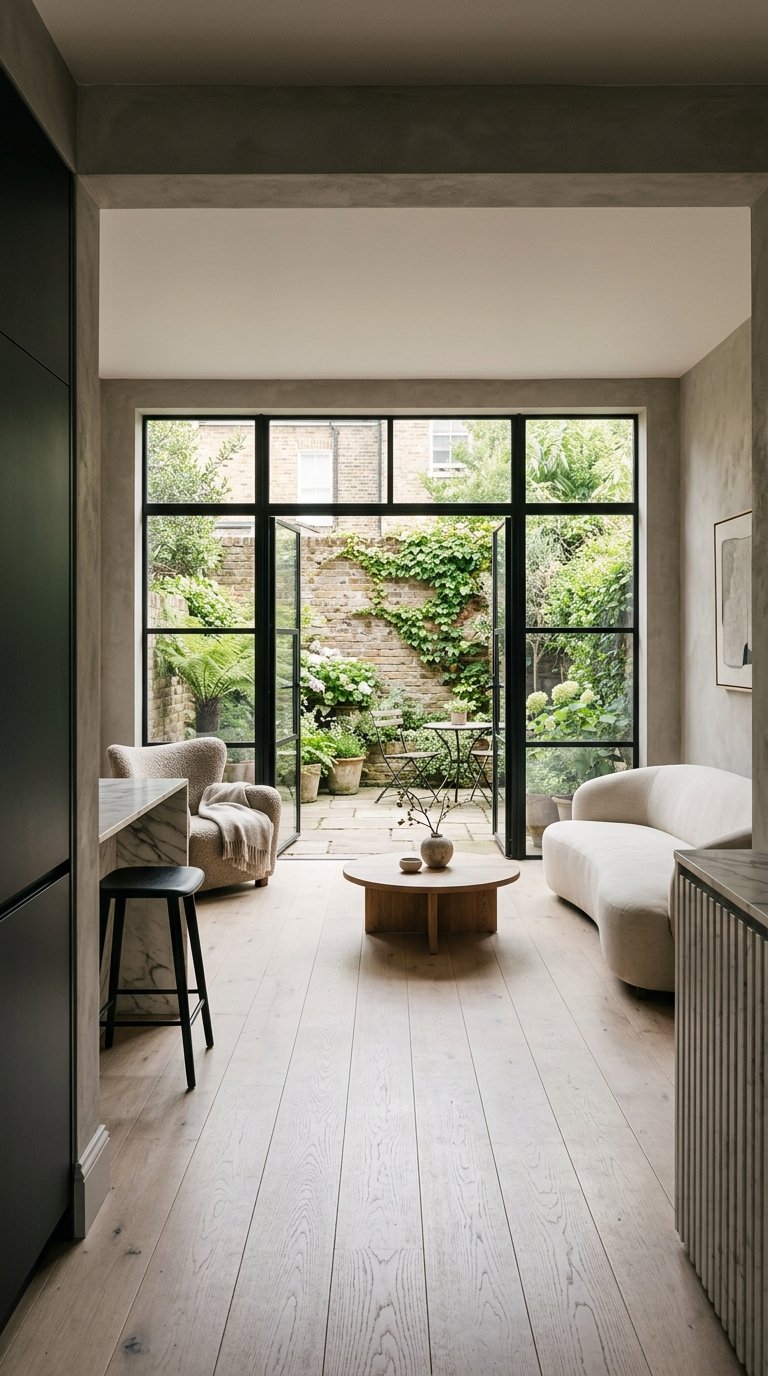
The same applies to the garden. Usable outdoor space is something buyers actively search for, so it helps to stage the garden like a functional room. Simple furniture, healthy planting, and clear sightlines usually photograph better than an overly busy setup.
Where to spend attention before launch
A focused pre-list plan often includes:
- Cleaning and touching up masonry where appropriate
- Repairing exterior hardware
- Refreshing stoop presentation
- Simplifying outdoor furniture and décor
- Editing clutter from garden and terrace areas
- Highlighting original details instead of masking them
In a historic neighborhood, preserving architectural character is part of the value story. Buyers are often drawn to the townhouse experience itself, not just a collection of new finishes.
Build the legal-use file early
One of the most important parts of preparing to list is the documentation file. For older Manhattan townhouses, that file can carry as much weight as the photography.
The Department of Buildings says a Certificate of Occupancy states a building’s legal use and occupancy. New buildings must have a CO, and existing buildings need a current or amended CO when work changes use, egress, or occupancy.
There is also an important exception for older properties. Buildings built before 1938 are not required to have a CO unless later alterations changed those factors. If a building is exempt, owners can request a Letter of No Objection.
If your property has a Temporary Certificate of Occupancy, do not leave that issue for later. DOB says a TCO typically expires after 90 days, and an expired TCO can make it difficult or impossible to buy insurance or sell or refinance the property.
Documents worth gathering before marketing
A strong seller file may include:
- Certificate of Occupancy, if applicable
- Temporary Certificate of Occupancy status, if applicable
- Letter of No Objection, if applicable
- Prior DOB permits and sign-offs
- Prior LPC approvals
- Plans and drawings tied to completed work
- Records that help confirm the home matches public filings
This is not just administrative cleanup. It is a way to remove uncertainty before a buyer, attorney, or inspector raises questions.
Clean up tax and public records
Property record housekeeping is another smart pre-list step. The Department of Finance bills property taxes quarterly or semi-annually, and exemptions are not automatic.
The Notice of Property Value and the July tax bill show which exemptions will apply for the coming tax year. Many homeowner exemptions must be applied for by March 15 to take effect on July 1 of that same year.
DOF property pages also connect owners to ACRIS and related property records. That can help you verify recorded filings and confirm that the public record aligns with the home’s current condition and ownership history.
For a West Village townhouse, this kind of cleanup helps support a smooth story. The fewer loose ends attached to taxes, exemptions, permits, or filings, the easier it is for a buyer to move forward with confidence.
Launch when the home is ready
Timing matters, but readiness matters more. Brown Harris Stevens reported that Manhattan ended 2025 with its strongest high-end sales activity since 2022, while inventory remained tight and competition persisted for quality listings.
That does not mean every seller should rush to market. It means a well-prepared launch can stand out, especially when buyers are concentrated at the high end and paying attention to presentation.
For a West Village townhouse, the first launch should feel like an event. Photography, pricing, documents, and showing strategy should all support the same story from day one.
Why a polished launch wins
A complete launch helps you:
- Present a coherent pricing narrative
- Reduce delays tied to missing paperwork
- Show the home at its visual best
- Reach serious buyers early
- Avoid the impression that the listing is being tested
In a narrow but attentive buyer pool, consistency can be a competitive advantage.
Invest in visual marketing
Luxury townhouse marketing is visual by nature. According to the research, 52% of buyers found the home they purchased online, nearly half started their search online, and 81% rated listing photos as the most useful feature.
That is especially relevant in the West Village, where façade, stoop, garden, stair details, and original craftsmanship can differentiate a property quickly. If those features are strong, the media plan should make them easy to understand at a glance.
This is where a social-first, studio-grade campaign can create real leverage. The right photos and video do more than make the listing look polished. They help buyers imagine the scale, flow, and feeling of the home before they ever step inside.
Visual assets that support a townhouse launch
For a campaign like this, the most useful assets often include:
- Strong exterior photography
- Garden and outdoor-living imagery
- Interior shots that show proportion and light
- Video that captures circulation and architectural detail
- Edited visuals that feel consistent across platforms
Targeted social distribution can also help surface the listing to buyers already watching the neighborhood. In a market like the West Village, that focus matters.
Protect privacy during the rollout
Visibility and discretion should work together. If you are selling a townhouse in a high-profile neighborhood, privacy needs to be part of the plan from the beginning.
A practical approach starts with removing valuables and personal information from the home. It also means securing medications and other sensitive items and limiting showings to pre-qualified or properly identified buyers.
From a marketing standpoint, you can still tell a compelling story without revealing everything at once. Showing the façade, stoop, garden, craftsmanship, and major living spaces can create demand while holding back more sensitive details until the listing is live and buyer interest is better screened.
What sellers should focus on most
If you want to simplify the process, focus on the areas that shape value and reduce friction.
Those usually include legal clarity, exterior presentation, visual marketing, and launch discipline. In a West Village townhouse sale, buyers are often responding to the full package: architecture, condition, documentation, and how confidently the home is introduced to the market.
That is why preparation matters so much. When the house looks right, reads clearly on paper, and reaches buyers through a polished campaign, you give the market a stronger reason to respond.
If you are thinking about listing a West Village townhouse, the best next step is a tailored strategy that balances presentation, timing, and discretion. To plan your launch with a media-smart, high-touch approach, schedule a private consultation with Jessica Markowski.
FAQs
Does a West Village townhouse façade project need LPC approval?
- Usually yes if the work changes a protected exterior feature or requires DOB work, although some ordinary maintenance may not require LPC review.
Does a West Village townhouse need a current Certificate of Occupancy to sell?
- Not always, because some buildings built before 1938 may be exempt unless later alterations changed use, egress, or occupancy, but legal-use questions should be resolved before listing.
Can an expired Temporary Certificate of Occupancy affect a townhouse sale?
- Yes, DOB says an expired TCO can make it difficult or impossible to buy insurance or sell or refinance the property.
What should a West Village townhouse seller do before marketing starts?
- Gather legal-use records, confirm permit history, review LPC approvals if applicable, clean up tax and public records, and complete key presentation work before launch.
How much of a West Village townhouse should be shown on social media?
- Show enough to create demand and communicate the home’s character, but avoid sharing personal information, valuables, or sensitive security details.