If you have ever walked through Nolita and thought, this feels different, you are not imagining it. In a part of Manhattan known for constant motion, Nolita still manages to feel intimate, layered, and surprisingly human in scale. If you are curious about what makes its most charming corners so appealing, this guide will help you understand the streets, buildings, and daily rhythm that shape life here. Let’s dive in.
What Makes Nolita Feel So Charming
Nolita is a compact neighborhood generally bounded by Lafayette Street and the Bowery, and Broome and East Houston Streets. That small footprint matters because living here is less about a broad district identity and more about the feel of individual blocks.
The neighborhood sits on the northern edge of historic Little Italy, and even its name, North of Little Italy, reflects that connection. In practice, Nolita feels like a closely stitched collection of streets where historic character, mixed-use buildings, and sidewalk life all work together.
A big reason for that character is the built environment. Official planning documents describe Nolita as overwhelmingly mixed-use, with four- to six-story residential buildings and ground-floor retail, while nearby blocks often rise to four to seven stories.
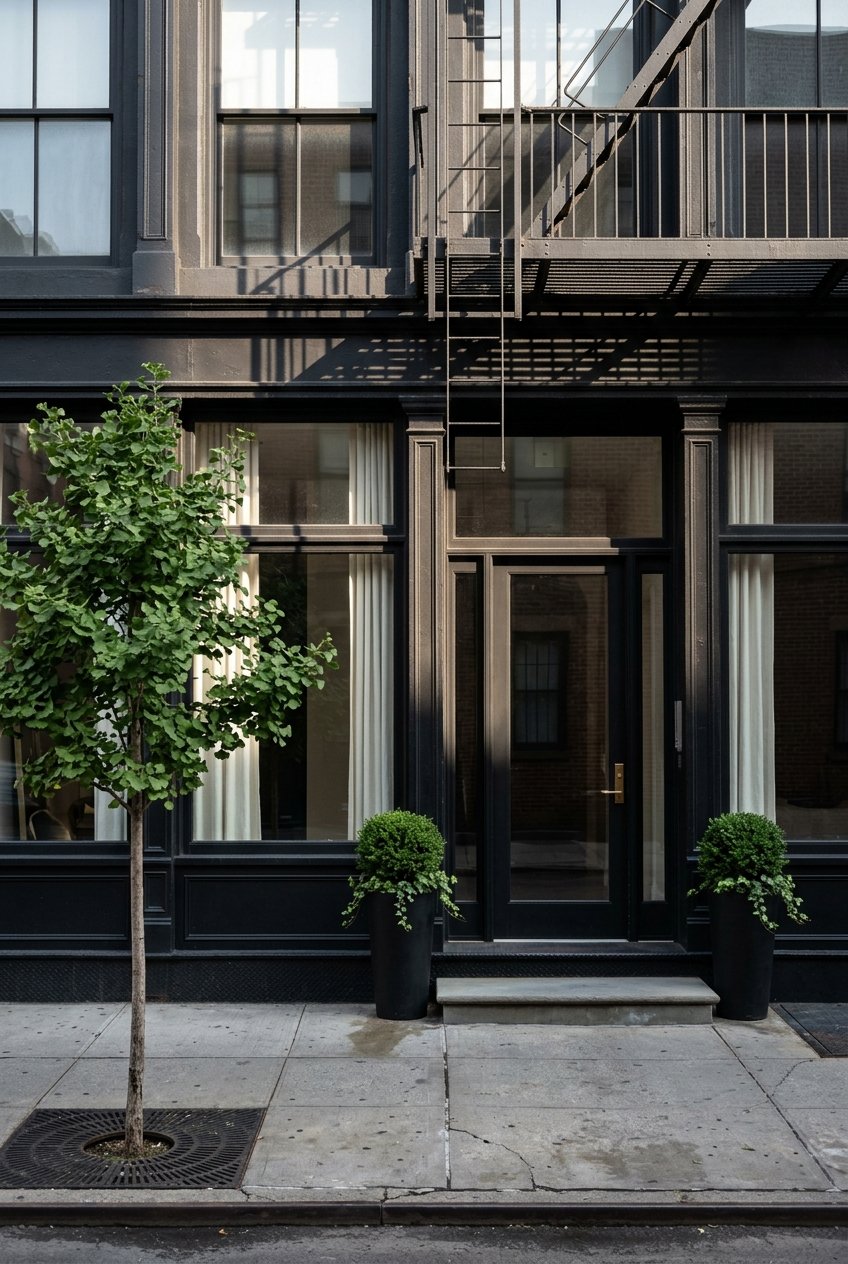
That scale creates a street experience that feels personal rather than overwhelming. Instead of large towers and long anonymous corridors, you get smaller buildings, varied facades, and a neighborhood that invites you to slow down and notice details.
Why the Streets Feel So Walkable
Nolita’s charm is not accidental. The area is shaped in part by the Special Little Italy District, which is designed to preserve historical and cultural character, protect storefront scale, preserve street life, and keep new development consistent with the scale of existing buildings.
For you as a buyer or future resident, that means the streetscape tends to stay visually cohesive. The neighborhood avoids the towering, canyon-like feel found in some other parts of Manhattan and instead leans into a lower, more pedestrian-friendly street wall.
This is also why Nolita often feels so photogenic and easy to navigate on foot. The rhythm of storefronts, apartments, cafes, and restaurants creates a natural flow that supports quick errands, casual walks, and spontaneous stops throughout the day.
Nolita’s Most Charming Streets
Mulberry Street’s Historic Energy
Mulberry Street carries much of the area’s heritage identity. It connects closely to nearby Little Italy, where restaurants, cafes, and social clubs remain concentrated along Mulberry and adjoining sections of Hester and Grand Streets.
Living near Mulberry often means being close to one of the neighborhood’s most recognizable dining corridors. The feel is lively and social, with a stronger restaurant presence and a sense of continuity with the area’s historic roots.
Elizabeth Street’s Boutique Feel
Elizabeth Street is often associated with the polished, small-scale retail side of Nolita. Based on the neighborhood’s land use pattern, it reads as one of the streets where residential life and boutique shopping coexist most naturally.
For many buyers, this is part of the appeal. You get a downtown setting that feels active and stylish without losing the sense that people actually live above and around the storefronts.
Prince and Spring’s Everyday Rhythm
Prince Street and Spring Street sit right in the middle of Nolita’s daily flow. These streets help anchor the kind of routine many people picture when they imagine downtown living: coffee, a quick errand, a walk to nearby shops, and easy access to transit.
They are not charming because they are quiet in a suburban sense. They are charming because they support a practical, walkable, stop-and-start day that feels distinctly New York.
Mott Street’s Residential-Retail Balance
Mott Street often feels like a bridge between lifestyle and livability. It shares in Nolita’s mixed-use character, with smaller-scale buildings and ground-floor activity that keep the street interesting without making it feel disconnected from residential life.
If you are drawn to neighborhoods that feel layered rather than master-planned, Mott captures that balance well. It offers texture, movement, and the kind of visual variety that gives Nolita much of its personality.
What Daily Life in Nolita Can Look Like
Official planning documents describe Nolita as a shopping and dining district with chic boutiques, restaurants, and cafes. That description is useful, but what matters more is how those uses shape your day-to-day experience.
Here, daily life often unfolds in small increments. You might step out for coffee near Spring or Prince, browse along Elizabeth or Mott, handle a few errands on foot, and end the day with dinner near the Little Italy edge.
That pattern will not be the same for everyone, of course. Still, Nolita’s land use strongly supports a lifestyle where walking is the default and where the neighborhood itself becomes part of your routine rather than just the backdrop to it.
The Local Anchors That Add Depth
One of the most appealing things about Nolita is that it is not only retail and restaurants. The neighborhood also includes practical and civic anchors that help it feel more complete.
These include DeSalvio Playground, the Mulberry Street branch of the New York Public Library, St. Patrick’s Old Cathedral and its cemetery garden, and an FDNY firehouse on Broome Street. Together, those places contribute to the sense that Nolita is a functioning residential neighborhood, even within a busy downtown setting.
For buyers, that mix can matter a lot. It adds texture to the experience of living here and helps explain why Nolita often feels more grounded than a district built purely around shopping traffic.
Housing Character in Nolita
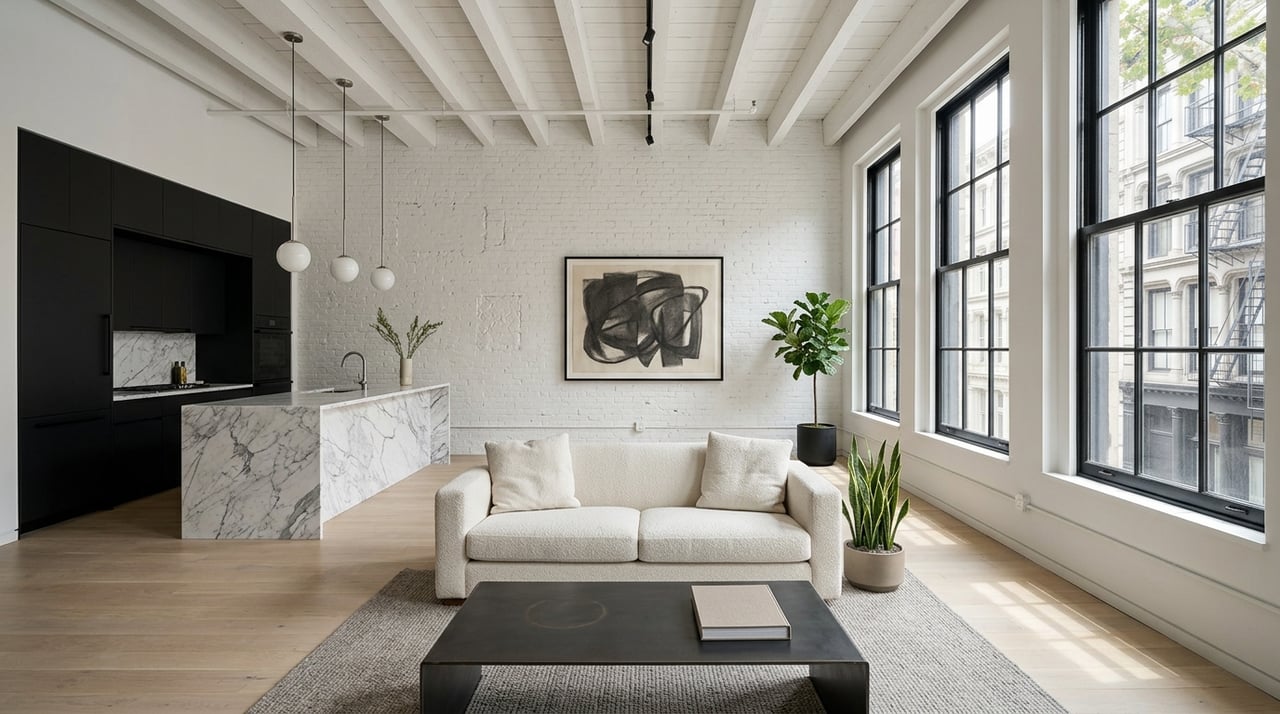
Nolita’s housing stock plays a major role in its appeal. The area is largely defined by older mixed-use buildings, including many old-law tenements that generally lack elevators, with taller mixed-use buildings more concentrated along Bowery, Kenmare, and Chrystie.
That means your experience here may look very different from life in a full-service high-rise. Floor plates can be smaller, layouts more varied, and building services more limited than in neighborhoods dominated by newer towers.
For some buyers, that is exactly the point. Nolita tends to attract people who value street character, historic texture, and a more boutique residential feel over a standardized amenity package.
The Tradeoffs to Know Before You Buy
Every neighborhood has tradeoffs, and Nolita is no exception. Its greatest strengths, scale, texture, and strong sidewalk culture, are closely tied to a built form that may not suit every buyer.
If you want a very large floor plan, a new-tower amenity set, or garage-centered convenience, Nolita may feel limiting. The neighborhood’s charm comes from its compact blocks and older buildings, not from oversized development.
On the other hand, if you are looking for a Manhattan neighborhood with visual character, social energy, and a distinctly walkable rhythm, Nolita can be a compelling fit. It offers a version of downtown living that feels curated by time rather than created all at once.
Getting Around Nolita
Transit access is one of Nolita’s practical advantages. MTA neighborhood maps place Spring Street, Prince Street, and Broadway-Lafayette Street in the neighborhood’s immediate orbit, while bus service is available around Bowery and Houston Street, including routes such as the M21 and M103.
For you, that translates to strong downtown mobility and easy short-hop access across surrounding neighborhoods. Even so, Nolita is a place that often makes the most sense when you enjoy living locally and doing much of your day on foot.
That is part of the neighborhood’s identity. Transit is there when you need it, but the real luxury for many residents is how much of life can happen within a few blocks.
Who Nolita Often Appeals To
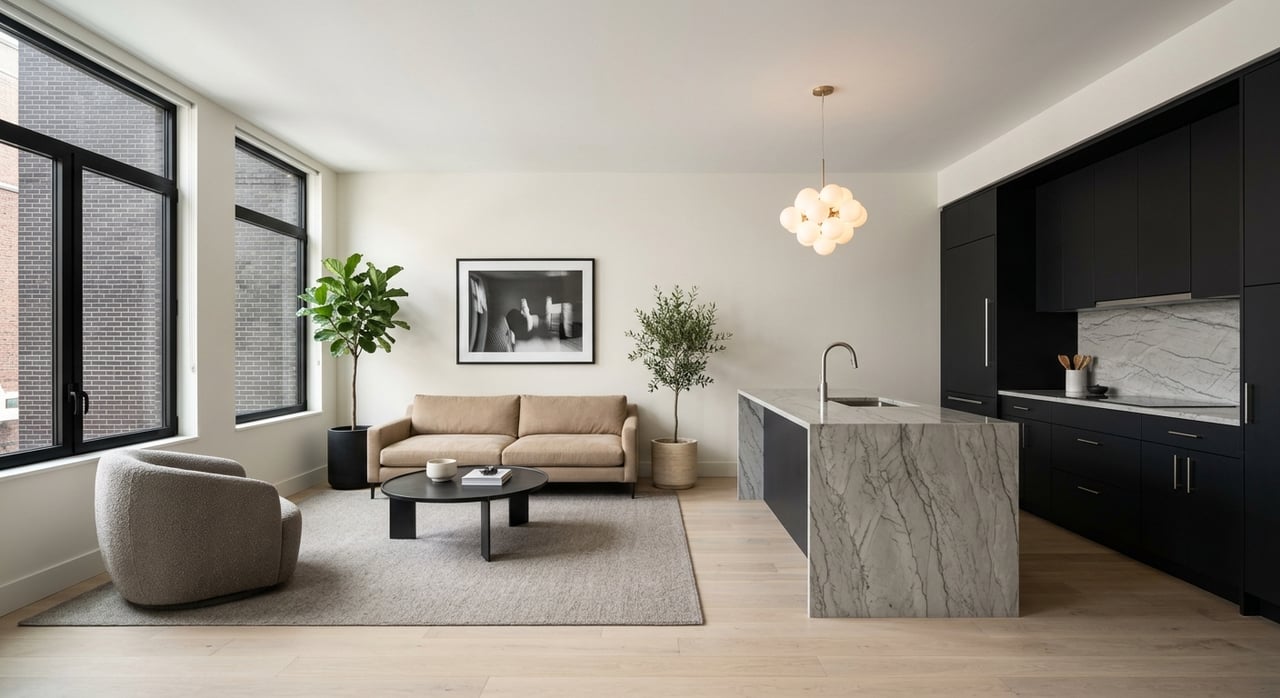
Nolita tends to resonate with buyers who care about atmosphere as much as square footage. If you value design, neighborhood texture, and a home that feels connected to the street life of downtown Manhattan, this area can be especially appealing.
It can also work well for buyers who want a boutique residential experience in a highly recognizable location. Rather than offering a large, uniform lifestyle, Nolita offers a more edited one, shaped by architecture, local institutions, and the personality of its individual streets.
That block-by-block variation is part of the draw. In Nolita, finding the right home is often about finding the right corner.
If you are considering buying or selling in Nolita and want a sharper read on which streets, building types, and property styles align with your goals, Jessica Markowski can help you navigate the neighborhood with a more tailored, strategic approach.
FAQs
What is the general area of Nolita in Manhattan?
- Nolita is generally described as the area between Lafayette Street and the Bowery, and between Broome and East Houston Streets.
What makes Nolita feel different from other Manhattan neighborhoods?
- Nolita stands out for its compact size, four- to six-story mixed-use buildings, preserved storefront scale, and strong block-by-block character.
What kind of housing is common in Nolita?
- Nolita is known for older mixed-use buildings, including many old-law tenements that generally lack elevators, with taller buildings more common near Bowery, Kenmare, and Chrystie.
What is daily life in Nolita like for residents?
- Daily life in Nolita is shaped by a walkable mix of boutiques, cafes, restaurants, and neighborhood anchors that support an easy on-foot routine.
What transit options are near Nolita?
- Nearby transit includes Spring Street, Prince Street, and Broadway-Lafayette Street stations, along with bus service around Bowery and Houston Street such as the M21 and M103.
What are the main tradeoffs of living in Nolita?
- The main tradeoffs are that Nolita’s appealing low-rise character can mean smaller floor plans, fewer full-service building amenities, and less compatibility with garage-oriented living.