What does everyday life in a Tribeca loft building actually feel like once the photos, floor plans, and cinematic interiors fade into the background? If you are drawn to Tribeca, chances are you are looking for more than square footage. You are looking for a certain rhythm, a certain streetscape, and a home that feels connected to New York’s history while still supporting modern living. This guide walks you through what daily life can look like in Tribeca loft buildings, from the block outside your door to the riverfront a few minutes away. Let’s dive in.
Tribeca loft living starts with history
Tribeca’s loft buildings are not a recent design trend. They grew out of the old Washington Market area, where store-and-loft buildings, warehouses, and cast-iron structures helped define the neighborhood long before it became a residential destination.
Many of these buildings were originally used for storage, light manufacturing, showrooms, and offices. Over time, the area evolved into a mixed-use residential and commercial neighborhood, with some of those old commercial buildings converted into luxury apartments and condominiums. That layered history is a big part of what makes loft living here feel distinct.
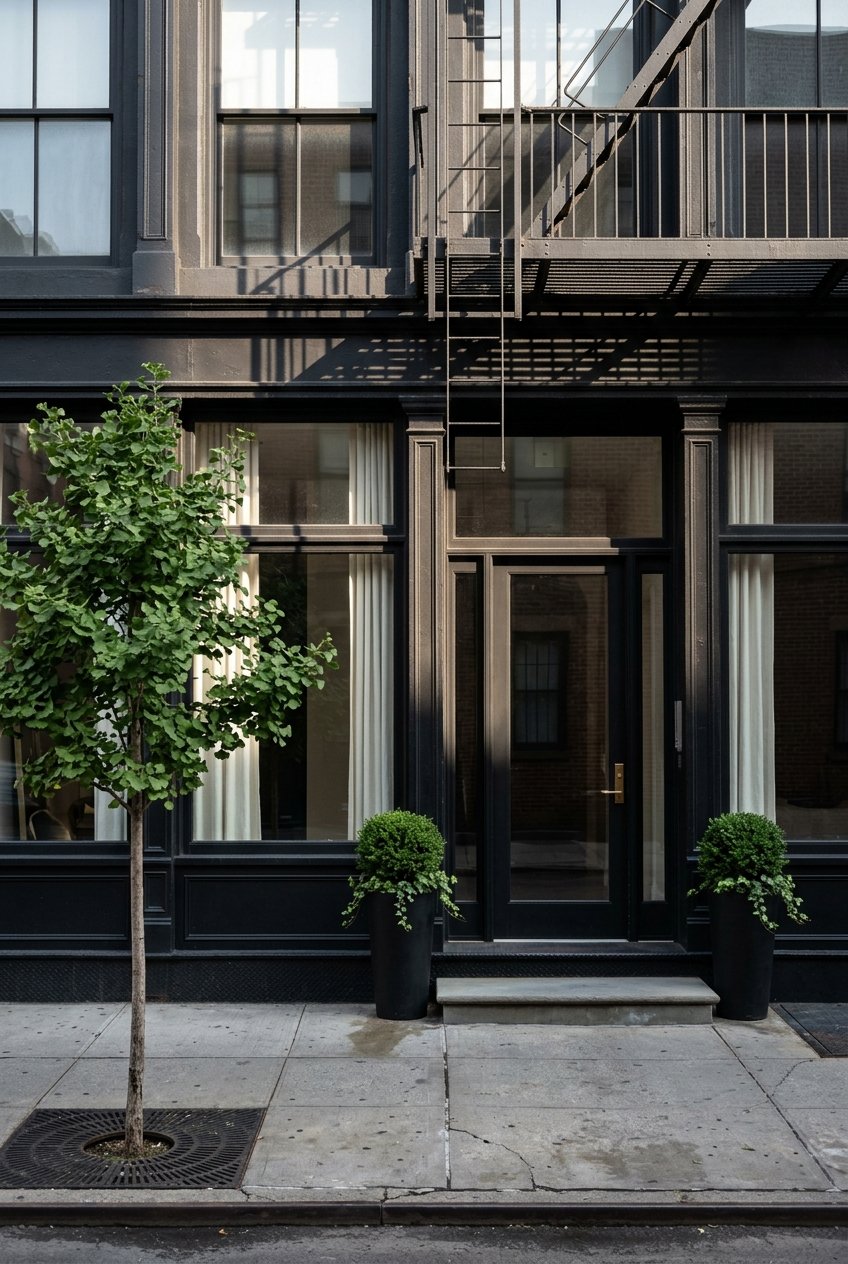
In Tribeca, the architecture often does a lot of the storytelling for you. Italianate and Romanesque Revival details, tall window lines, and sturdy old masonry create a backdrop that feels grounded and recognizable. Instead of living in a neighborhood built all at once, you are living in one that adapted over time.
Why the streetscape feels so consistent
One of Tribeca’s most defining qualities is how coherent it feels from block to block. That is not accidental.
The Tribeca historic districts were designated in the early 1990s, with a South Extension added in 2002. Because these areas are regulated by the Landmarks Preservation Commission, exterior changes to designated properties require approval. In practical terms, that helps preserve the visual character that so many people associate with Tribeca loft living.
For you as a resident, that can shape daily experience in subtle ways. The neighborhood keeps a strong architectural identity, and the building exteriors contribute to a sense of place that feels unusually intact for Manhattan. The result is a loft environment that often feels curated by history rather than recreated from scratch.
The block feels active, urban, and walkable
Living in a Tribeca loft building means living with the city at street level. Community Board 1 describes much of Lower Manhattan as an original colonial-era street grid with narrow streets and sidewalks, and some historic-district sidewalks are as narrow as 1.7 feet.
That creates a daily environment that is highly walkable, but not spacious in a suburban sense. Pedestrians, cyclists, buses, deliveries, outdoor dining, and visitors all share the same public space. The neighborhood can feel busy and occasionally congested, especially during active parts of the day.
For many buyers, that tradeoff is part of the appeal. Your loft may offer a more expansive interior than many downtown homes, but the world outside still feels unmistakably urban. You step out of a quiet, private apartment and right into a dense, lived-in Manhattan streetscape.
Inside the loft, space often feels different
A big part of Tribeca’s appeal is the contrast between exterior energy and interior calm. The research behind the neighborhood’s evolution points to adaptable old commercial shells that now support residential loft living, and that helps explain why the experience can feel so compelling.
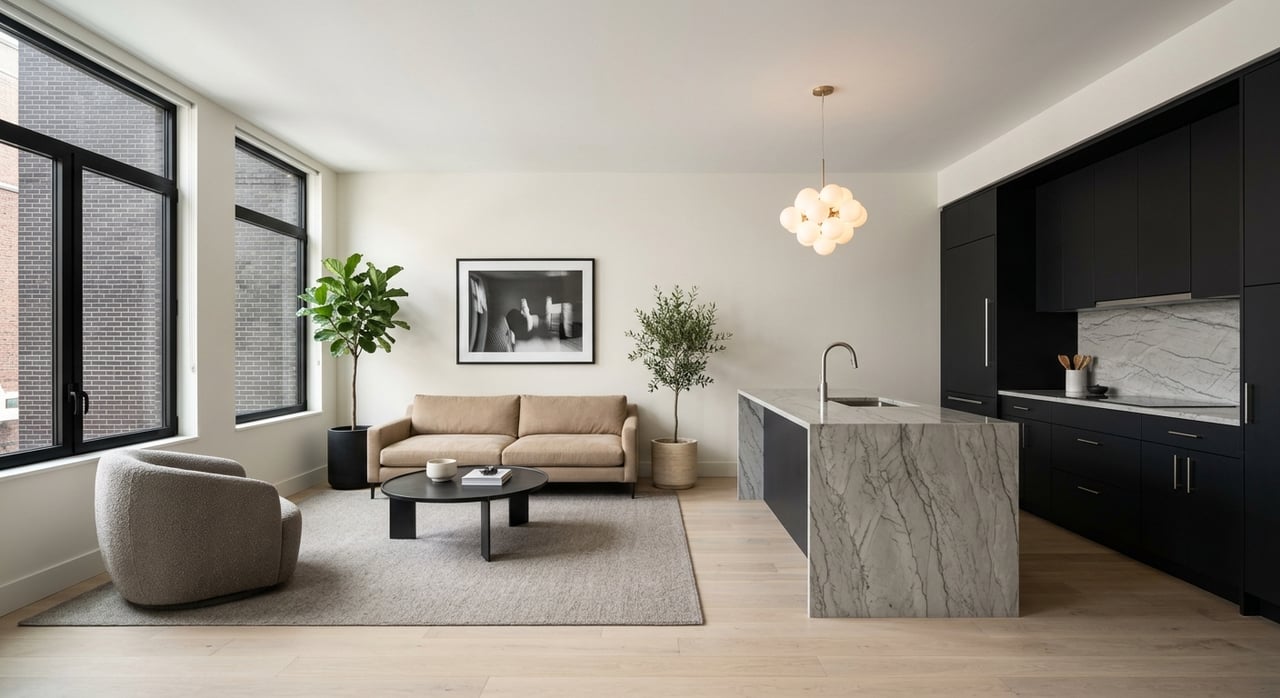
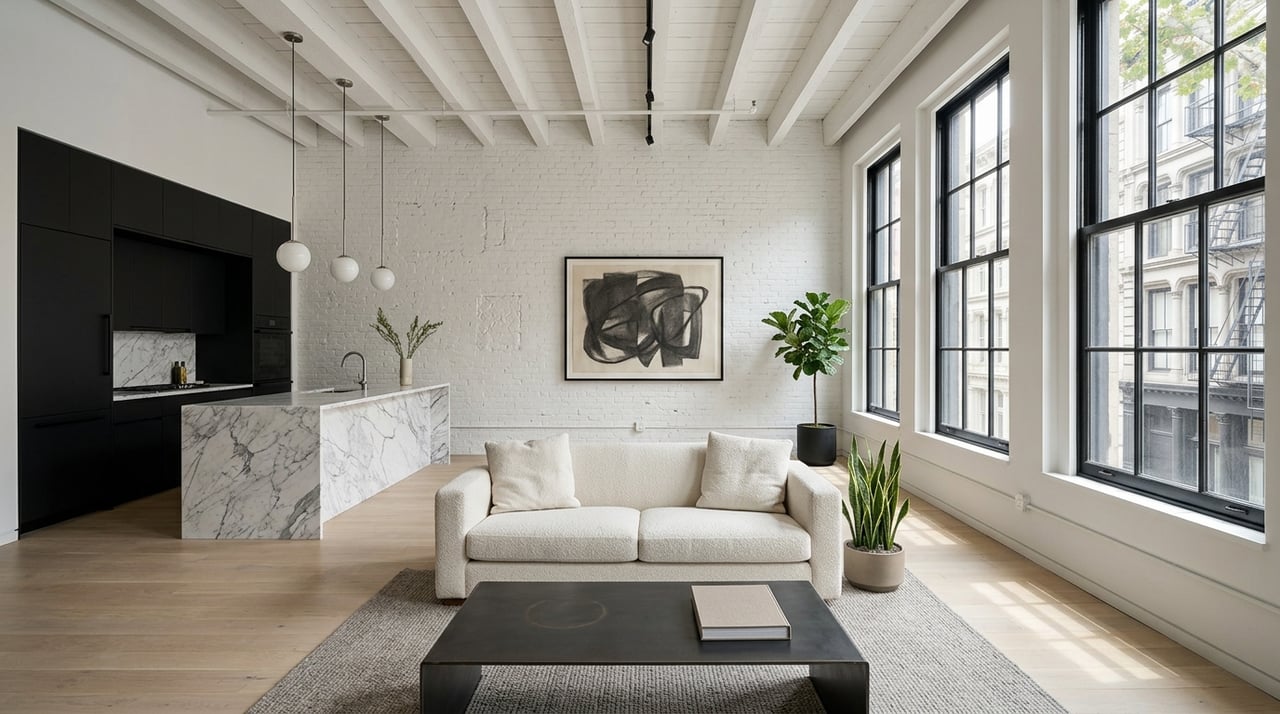
The streets are tight, active, and layered with movement. Then you get upstairs, and the tone often shifts. In many loft buildings, the scale of the original structure can translate into a sense of openness that feels very different from a typical apartment layout.
That contrast is part of the everyday luxury here. You can spend the morning in a lively mixed-use district, then come home to a space that feels quieter and more removed. For many Tribeca buyers, that balance is the point.
Daily routines are built around short walks
Tribeca’s lifestyle is often shaped less by driving and more by repeat neighborhood routines. The Tribeca Alliance describes the local business mix as including independent shops, iconic restaurants, galleries, wellness studios, and neighborhood services.
That kind of ecosystem supports a very local way of living. Instead of planning your day around long errands, you may find yourself building habits around a few familiar blocks. Coffee, dinner, a gallery stop, or a quick appointment can all fit into the same walking route.
This is one reason Tribeca often feels both polished and personal. Even in a globally recognized Manhattan neighborhood, daily life can still revolve around familiar storefronts and regular interactions.
Food is part of the social fabric
Dining is not just an amenity in Tribeca. It is part of how the neighborhood expresses itself.
Taste of Tribeca, the annual street festival on Duane and Greenwich Streets, brings together more than 55 restaurants and draws over 5,000 attendees. It also raises money for arts and enrichment programs at PS 150 and PS 234, which gives the event a strong neighborhood connection beyond the restaurant scene itself.
For residents, that says something important about the area’s culture. Food here is woven into community life, not isolated from it. Whether you are meeting friends, keeping a favorite reservation, or simply enjoying the energy of a restaurant-lined block, dining tends to be part of the weekly rhythm.
The waterfront changes the feel of the neighborhood
One of Tribeca’s biggest lifestyle advantages is how quickly you can shift from city block to riverfront. Hudson River Park says the Tribeca stretch runs from Chambers Street to Canal Street and includes Piers 25 and 26.
That access gives the neighborhood a release valve. Within minutes, you can move from cast-iron facades and narrow sidewalks to open views, lawns, boardwalks, and recreation space. It adds a lighter, more breathable quality to everyday life.
This matters in a neighborhood known for architecture and interiors. Loft living in Tribeca is not only about what happens inside the building. It is also about how close you are to outdoor space that changes the tempo of the day.
What you can actually do at Piers 25 and 26
The waterfront is not just scenic. It is active and practical.
Hudson River Park lists a wide range of amenities in the Tribeca section, including mini golf, a playground, beach volleyball, a skatepark, kayaking, a dog park, a native boardwalk, a science playground, and the Tide Deck. That variety supports different kinds of routines, whether you want exercise, downtime, or a quick outdoor reset.
The area is also accessible by public transit, with nearby access to the M20 bus and the 1, 2, 3, A, C, and E subway lines. So while the waterfront can feel like an escape, it is still deeply connected to the rest of Manhattan.
Riverfront dining adds another layer
Tribeca’s waterfront also expands your dining options in a way that feels different from the interior blocks. City Vineyard at Pier 26 operates a year-round main dining room, along with a seasonal terrace and roof deck.
At Pier 25, Grand Banks offers a distinctive setting aboard the historic schooner Sherman Zwicker. Together, these destinations add to the neighborhood’s mix of daily convenience and occasion-driven experiences.
For a loft resident, that means your after-work or weekend options are not limited to traditional street-level dining. The river becomes part of the neighborhood lifestyle, not just a view in the distance.
Practical tradeoffs are part of the picture
Tribeca loft living has a strong sense of romance, but it also comes with real-world context. Community Board 1 describes the district as a busy mixed-use area and major tourist destination, which means public space is under pressure from many users at once.
That can affect how the neighborhood feels day to day. Sidewalks may feel tight, deliveries can shape the rhythm of the block, and street activity is part of the package. For many residents, those are manageable tradeoffs in exchange for location, architecture, and convenience.
There is also an ongoing climate-resilience conversation connected to the waterfront. In its FY24 needs statement, Community Board 1 said there were no permanent resiliency measures in place in the district and no plans or funding for research on the west side in Tribeca and north. If you are thinking seriously about the area, that is part of the broader local context worth understanding.
Who Tribeca loft life tends to suit
Every buyer experiences Tribeca differently, but loft living here often appeals to people who want more than a polished apartment. It tends to suit those who value historic architecture, walkable routines, strong dining culture, and quick access to the waterfront.
It can also appeal to buyers who want an interior that feels calm and substantial while staying plugged into downtown energy. The neighborhood offers a combination that is hard to fake: preserved industrial character, mixed-use street life, and daily access to open space along the Hudson.
If that mix sounds like the version of Manhattan you are after, Tribeca loft buildings deserve a closer look. And if you are thinking about buying or selling in the neighborhood, the right guidance can help you translate that lifestyle into a smart real estate decision.
If you are considering a Tribeca loft purchase or preparing to position a downtown property for today’s market, Jessica Markowski offers a polished, high-touch approach shaped by Manhattan expertise, strong storytelling, and strategic marketing.
FAQs
What makes Tribeca loft buildings different from newer residential buildings?
- Tribeca loft buildings often began as store-and-loft buildings, warehouses, or commercial structures that were later converted to residential use, which gives them a distinct historic and architectural character.
How walkable is everyday life around Tribeca loft buildings?
- Tribeca is highly walkable, with daily routines often built around short trips to shops, restaurants, galleries, wellness studios, and neighborhood services, though the streets and sidewalks can feel narrow and busy.
What is the streetscape like near Tribeca loft buildings?
- The streetscape is shaped by historic architecture, narrow sidewalks, mixed-use activity, and steady movement from pedestrians, cyclists, deliveries, buses, outdoor dining, and visitors.
How close is Hudson River Park to Tribeca loft buildings?
- The Tribeca section of Hudson River Park runs from Chambers Street to Canal Street, giving many residents quick access to Piers 25 and 26 for recreation, open space, and river views.
What kinds of amenities are available near Tribeca’s waterfront?
- Nearby waterfront amenities include mini golf, a playground, beach volleyball, a skatepark, kayaking, a dog park, a native boardwalk, a science playground, and the Tide Deck.
Is dining a major part of everyday life in Tribeca?
- Yes, dining is a major part of the neighborhood’s identity, supported by a strong local restaurant scene and community events like Taste of Tribeca, which brings together more than 55 restaurants.
Why do Tribeca blocks feel visually consistent?
- Much of Tribeca’s character is preserved through historic district designation and Landmarks Preservation Commission oversight, which helps maintain a coherent block-by-block streetscape.
What should buyers keep in mind about Tribeca’s waterfront location?
- Along with recreation and views, the waterfront is part of a broader climate-resilience discussion, and Community Board 1 has noted the absence of permanent resiliency measures in the district.