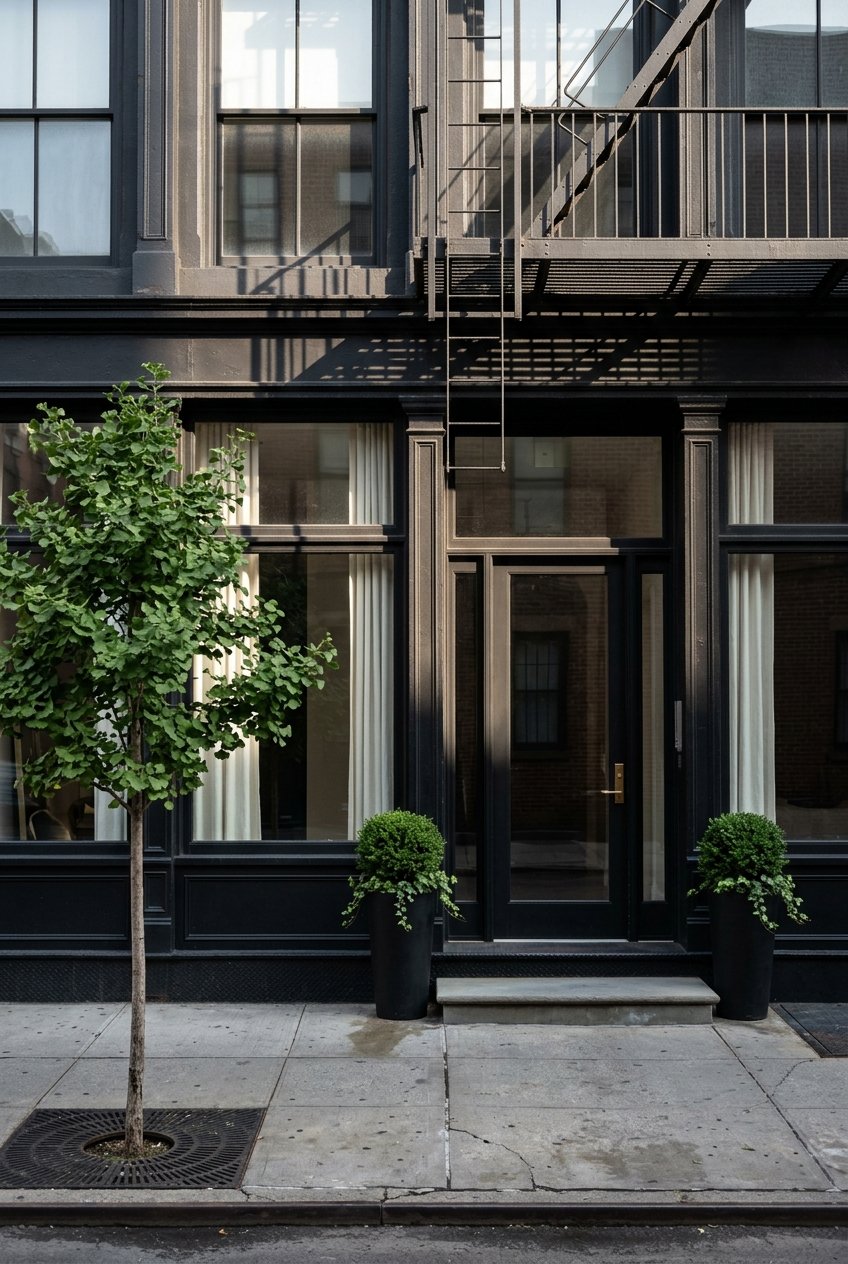
Thinking about buying in SoHo and stuck on one big question: condo or loft? It sounds simple, but in this neighborhood, the answer is rarely just about style. In SoHo, the best choice depends on how you want to live, what legal structure you are buying into, and how much convenience versus character matters to you. Here’s how to sort through the difference with more clarity and confidence. Let’s dive in.
Start With the Real Difference
In New York, a condo and a loft are not opposites. A condo is a form of ownership, while a loft is a type of space. Under New York law, condo owners have exclusive ownership of their unit, and the condominium structure is legally filed and separately taxed by unit.
A loft, on the other hand, usually refers to the apartment’s physical layout and architectural feel. In SoHo, that can mean open volume, industrial scale, oversized windows, and higher ceilings. A loft can be a condo, a co-op, or a unit with live-work or conversion-related rules, so the legal setup matters just as much as the look.
Why SoHo Makes This Decision Different
SoHo is not a typical Manhattan neighborhood when it comes to housing stock. Its built environment grew out of commercial and industrial use, and that history still shapes what buyers see on the market today. The neighborhood’s signature cast-iron buildings, large windows, and expansive upper floors are a major reason loft living feels so tied to SoHo’s identity.
There is also a zoning and occupancy layer that makes SoHo more nuanced than many other downtown markets. City Planning notes that SoHo and NoHo were historically shaped by light-manufacturing zoning, and the area later evolved through live-work rules and more recent planning changes. That means some homes may look similar at first glance while carrying very different legal statuses behind the scenes.
What a SoHo Condo Often Offers
A SoHo condo often appeals to buyers who want a more streamlined residential experience. You may still get loft-like proportions, but the package can feel more polished and turnkey. In newer or highly upgraded condo buildings, the focus is often on comfort, convenience, and a service-oriented lifestyle.
Depending on the building, that can include features like formal entry foyers, custom kitchens, in-unit laundry, multi-zoned heating and cooling, and floor-to-ceiling windows. Some SoHo condos also offer attended lobbies, concierge service, fitness spaces, roof terraces, lounges, parking, or spa-style amenities.
For many buyers, this choice comes down to ease. If you want a home that supports a busy schedule and reduces daily friction, a condo may feel more aligned with that goal. It can be an especially strong fit if you value privacy, predictability, and a more conventional ownership structure.
What a SoHo Loft Often Offers
A traditional SoHo loft usually draws buyers who care deeply about space, proportion, and original character. These homes often emphasize openness over defined rooms. You may find ceiling heights in the 11.5-foot to 14-foot range, oversized windows, skylights, and broad open-plan living areas.
That kind of layout can feel dramatic and inspiring, especially if you want a home that doubles as a design statement. It also gives you flexibility in how you use the space. At the same time, a more open layout may mean fewer ready-made bedroom separations and more need for custom planning.
Traditional loft buildings may also offer fewer full-service amenities. Instead of a long amenity list, the appeal may be more about a keyed elevator, a live-in super, storage, a roof deck, or the quiet appeal of a smaller building. If you are choosing a loft, you are often prioritizing atmosphere and architectural presence over a resort-style service package.
Condo vs. Loft in Daily Life
The easiest way to compare these options is to think about how you want your home to function every day.
Choose a condo if you value:
- A more standardized ownership structure
- A turnkey or polished living experience
- Building services and shared amenities
- More separation between living spaces and building operations
- Convenience for a fast-paced lifestyle
Choose a loft if you value:
- Open volume and dramatic proportions
- Historic SoHo character
- Oversized windows and ceiling height
- Layout flexibility
- A more architectural, less service-driven experience
The Legal Questions Matter More Than the Aesthetic
This is where many buyers need to slow down. In SoHo, a loft’s appearance does not tell you everything you need to know. Before you fall in love with exposed columns, high ceilings, or a wide-open great room, you need to understand the unit’s legal status.
If the loft is part of an IMD building under the Loft Law, the building may not yet have a residential certificate of occupancy. In those cases, legalization can involve Department of Buildings filings, permits, narrative reviews, and staged compliance deadlines before a residential certificate of occupancy is issued. The Loft Board oversees that process.
There is also a separate category tied to Joint Living-Work Quarters for Artists, often called JLWQA. In SoHo and NoHo, artist certification through the Department of Cultural Affairs has historically been required for that live-work use. City guidance states that conversions to JLWQA use were prohibited after December 15, 2021, while existing units continue under prior occupancy rules unless they have since completed the relevant conversion process and received the proper certificate of occupancy.
In plain terms, you should not assume every loft functions like a standard apartment from a legal standpoint. In SoHo, confirming intended use is essential.
Your SoHo Due Diligence Checklist
Before making an offer on a SoHo condo or loft, make sure you review the right documents and building details. This is one of the most important parts of the process.
Review these items early:
- The offering plan
- The certificate of occupancy
- Whether the unit is a condo, co-op, or regulated live-work space
- Any Loft Board status
- Occupancy restrictions tied to the unit or building
- Any remaining conversion obligations or expected costs
Check the building’s physical condition:
- Facade
- Roof
- Elevators
- HVAC systems
- Windows
- Electrical systems
- Plumbing
The New York Attorney General recommends reviewing the full offering plan and assessing the physical condition of major building systems before signing. In a neighborhood like SoHo, that advice is especially important because architectural charm and legal complexity can show up in the same building.
Price Context in SoHo
SoHo remains a high-price market, which means this decision is usually about fit rather than compromise. Realtor.com’s May 2026 snapshot places the median listing price around $3.95 million, with median days on market at 50 and homes selling at about 97% of asking.
That context matters because buyers are typically choosing within a luxury band. You are not deciding between a basic option and a premium one. You are deciding which type of premium experience fits your priorities better, whether that is service and simplicity or scale and character.
How to Decide What Fits You Best
If you want the shortest version, ask yourself one question: Do you want your SoHo home to feel more curated or more raw?
A condo may be the better fit if you want a cleaner ownership framework, stronger service infrastructure, and a more turnkey daily rhythm. A loft may be the better fit if you are drawn to the essence of SoHo itself, with all the openness, history, and nuance that comes with it.
The smartest buyers look past the label and evaluate both the lifestyle and the legal structure. In SoHo, that is where the real answer lives.
If you’re weighing a SoHo condo against a loft and want a more tailored read on the market, building type, and legal details that could affect your purchase, Jessica Markowski can help you navigate the decision with a polished, strategic approach.
FAQs
What is the difference between a condo and a loft in SoHo?
- A condo is a legal ownership structure, while a loft describes the physical space and layout. In SoHo, a loft can be a condo, a co-op, or a regulated live-work unit.
Can a SoHo loft also be a condo?
- Yes. In SoHo, loft refers to the style and proportions of the home, not the ownership type, so a loft can absolutely be part of a condominium.
Are SoHo condos always new developments?
- No. Some SoHo condos are newer full-service buildings, while others are conversions that still retain loft-style windows, scale, and proportions.
What legal documents should you review before buying a SoHo loft?
- You should review the offering plan, certificate of occupancy, any Loft Board status, occupancy restrictions, and any remaining conversion obligations or costs tied to the unit or building.
Why is buying in SoHo more complex than in other neighborhoods?
- SoHo has a long history of industrial and live-work use, so some properties may have different zoning, occupancy, or conversion considerations that need close review before purchase.